


What Is a Pseudoaneurysm?

Aneurysms are classified as true, false (pseudoaneurysms), and dissecting aneurysms. They most commonly result from atherosclerosis or trauma; syphilitic aneurysms are rare. Aneurysms may occur in the carotid, subclavian, axillary, brachial, radial, iliac, femoral, and popliteal arteries—with the femoral and popliteal arteries being the most frequently affected sites. Patients often have a history of atherosclerosis, hypertension, or trauma. What is a pseudoaneurysm?
What Is a Pseudoaneurysm?
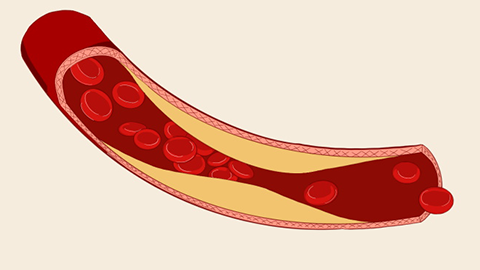
A pseudoaneurysm refers to a localized, blood-filled cavity that forms when all three layers of the arterial wall are disrupted or destroyed. Only the tunica intima and tunica media—or occasionally just the tunica externa—remain intact, while blood leaks out of the vessel lumen and becomes encapsulated by surrounding perivascular tissues. Unlike a true aneurysm, the pseudoaneurysm lacks a complete, intact arterial wall composed of all three layers; instead, its wall consists solely of surrounding connective tissue or the residual tunica externa.
There are two primary treatment options for pseudoaneurysms: (1) open surgical repair and (2) ultrasound-guided compression. Spontaneous resolution of pseudoaneurysms is extremely rare; therefore, surgical intervention remains the most direct and effective therapeutic approach. Surgical options include ligation of the parent artery and resection of the pseudoaneurysm. Most affected patients are middle-aged or elderly adults, and individuals with comorbidities such as diabetes mellitus or hypertension are at higher risk for developing pseudoaneurysms.
If a pseudoaneurysm ruptures, it can lead to massive hemorrhage or intracranial hemorrhage (e.g., cerebral hemorrhage). In severe cases, rupture may result in loss of consciousness, stroke, or hemiplegia. Thus, early diagnosis and prompt intervention are essential to prevent disease progression and life-threatening complications. We hope this information has been helpful.


