


What are the symptoms of tuberculous meningitis?

“Jie Nao” (abbreviated term for tuberculous meningitis) is a type of cerebrovascular disease, commonly caused by bacterial infection—particularly Mycobacterium tuberculosis—and other underlying disease-related factors. Typically, the tubercle bacillus invades the body’s lymphatic system and subsequently disseminates hematogenously, replicating as it spreads. Individuals with compromised immune function are especially susceptible to developing this condition, which manifests with numerous adverse symptoms. So, what are the symptoms of tuberculous meningitis? Let’s explore them below.
Symptoms of Tuberculous Meningitis
1. Personality and Behavioral Changes
Tuberculous meningitis often presents with alterations in personality and behavior, such as increased irritability, agitation, mental fatigue, excessive drowsiness, or insomnia. Many patients experience loss of appetite, low-grade fever, constipation, and recurrent vomiting. In infants and young children, signs may include frequent frowning, head-banging, or persistent crying; older children commonly report headaches.
2. Increased Intracranial Pressure
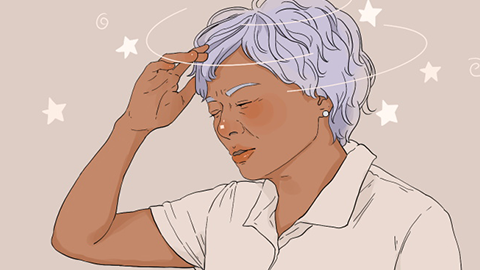
If tuberculous meningitis remains uncontrolled, progression to the intermediate stage leads to meningeal inflammation and elevated intracranial pressure, accompanied by low-grade fever and headache. In the advanced stage, symptoms worsen significantly: patients may suffer repeated seizures, progress to stupor or coma, exhibit mydriasis (dilated pupils), loss of pupillary light reflex, and even apnea.
3. Cranial Nerve Impairment
A hallmark manifestation of tuberculous meningitis is cranial nerve dysfunction, including facial numbness and visual impairment. These result from inflammatory lesions compressing or irritating cranial nerves—particularly the oculomotor, facial, and optic nerves.
The above outlines the characteristic symptoms of tuberculous meningitis. Early diagnosis and prompt treatment are essential. Appropriate therapeutic strategies—primarily pharmacological—include antitubercular drug regimens and corticosteroid therapy, both of which effectively alleviate clinical manifestations. We hope this information proves helpful.


