


What Causes Bleeding After Menstruation?

Under normal circumstances, vaginal bleeding occurs only during menstruation; however, some women may experience light spotting after their period ends. So, what causes postmenstrual bleeding?
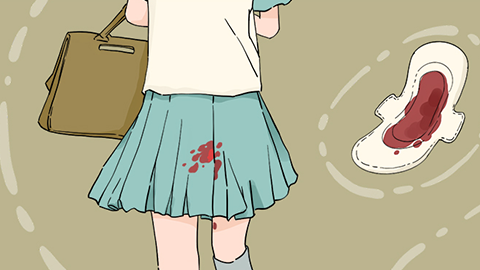
Causes of Postmenstrual Bleeding
Common causes of postmenstrual bleeding include: 1. Mid-cycle (intermenstrual) bleeding: Occurs midway between two menstrual periods—typically around ovulation—when a sudden drop in estrogen levels triggers partial shedding of the endometrium, resulting in light bleeding. This is generally considered a normal physiological phenomenon. 2. Postcoital bleeding: Also known as contact bleeding, this requires evaluation to rule out cervical pathology (e.g., cervical erosion, polyps, or malignancy) as the underlying cause. 3. Dysfunctional uterine bleeding (DUB): Characterized by irregular menstrual cycles, menorrhagia (excessively heavy flow), prolonged menses, or unpredictable bleeding. It primarily results from neuroendocrine dysfunction affecting ovarian hormone regulation.

If a woman experiences vaginal bleeding after her period has completely ended and she is sexually inactive, she should consult a gynecologist for an abdominal pelvic ultrasound to assess endometrial thickness. Hormonal profiling (i.e., “six-hormone panel”) may also be indicated to evaluate ovarian endocrine function. Initial management may include hemostatic agents such as Gongxuening capsules and calcium folinate tablets (or caffeic acid tablets). If pharmacologic hemostasis proves ineffective, hormonal therapy with estradiol valerate (Progynova®) or progesterone may be considered. In perimenopausal women presenting with heavy postmenstrual bleeding, and if ultrasound findings suggest dysfunctional uterine bleeding, diagnostic curettage may be performed to remove the endometrium and achieve hemostasis.
The above outlines the primary causes of postmenstrual bleeding. We hope this information is helpful to you.


