


How to treat frostbitten hands

Every winter, cold weather can cause chilblains on the hands, leading to intense local itching. In more severe cases, swelling and painful fissures may develop—compromising not only physical health but also appearance. How should frostbitten hands be treated?
How to Treat Frostbitten Hands
When hands become frostbitten, extra attention must be paid to keeping them warm. Wear gloves when going outdoors, and minimize prolonged exposure to cold environments. After frostbite occurs, avoid immediately soaking the affected area in hot water or applying direct heat (e.g., from a fire or heater). Regular physical exercise helps strengthen immunity, while dietary adjustments—such as consuming blood-nourishing and circulation-promoting foods—are also beneficial. For mild frostbite characterized only by hardened, non-ulcerated skin, topical application of capsicum tincture or warmed alcohol may be used for gentle rubbing. If ulceration has already occurred, topical treatment with erythromycin ointment, lard-based ointment, or honey-based ointment—followed by appropriate dressing—can promote gradual healing.
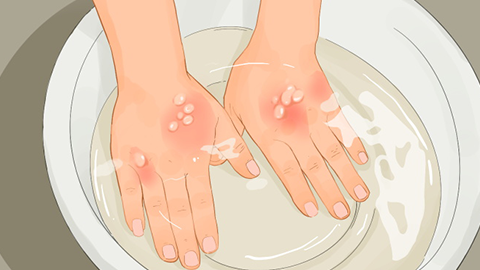
One of the primary causes of hand frostbite is exposure to low ambient temperatures during cold weather. Additionally, individuals with poor systemic resistance—particularly those constitutionally prone to cold hands and feet—are especially susceptible to frostbite in winter. In severe cases, frostbite may progress to tissue necrosis in the hands or other affected areas, potentially necessitating surgical amputation for effective treatment.
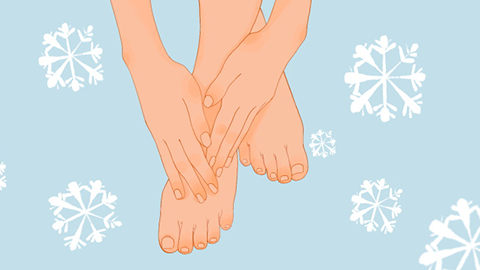
Routine hand care is essential. As winter approaches, apply moisturizing, anti-frostbite hand creams regularly. When venturing outdoors, ensure adequate hand protection and warmth. We hope this information proves helpful to you.


