


What Is the Best Medication for Gastritis?
Apr 13, 2022
Source: Cainiu Health

Dr. Liu Zhengxin
Introduction
Medication for gastritis varies depending on the individual patient, who may select different drugs based on their specific symptoms. If the patient presents with upper abdominal pain, acid-suppressing medications—such as omeprazole—are typically prescribed: one capsule twice daily, taken on an empty stomach in the morning and evening, which generally yields good therapeutic efficacy. If the patient experiences symptoms such as upper abdominal distension, nausea, vomiting, acid reflux, or heartburn…
Gastritis is broadly categorized into two types: acute gastritis and chronic gastritis. Acute gastritis is most commonly caused by improper diet or consumption of contaminated food. In contrast, chronic gastritis arises not only from dietary and environmental factors but also from pathogenic causes—most notably *Helicobacter pylori* infection. So, what is the best medication for gastritis?
What Is the Best Medication for Gastritis?
Medication selection for gastritis varies depending on the individual patient and their specific symptoms. For patients presenting with upper abdominal pain, acid-suppressing drugs—such as omeprazole—are typically prescribed: one capsule twice daily, taken on an empty stomach in the morning and evening, which generally yields good therapeutic results. If symptoms include upper abdominal distension, nausea, vomiting, acid reflux, or heartburn, monotherapy with omeprazole may be insufficient; in such cases, prokinetic agents should be added to enhance gastrointestinal motility. For predominant upper abdominal distension, digestive enzyme supplements may further improve symptom relief. Remember: “All medicines carry some toxicity”—long-term management therefore relies heavily on dietary regulation to prevent recurrence.
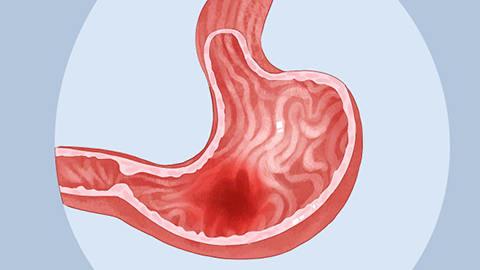
Dietary recommendations for gastritis emphasize light, nutritious, easily digestible, and non-irritating soft foods.

Recommended foods include rice porridge, millet porridge, noodles, wontons, bread, and steamed buns. Incorporate gastric-soothing foods—such as peanuts and papaya—into your daily meals. Chew thoroughly and eat slowly; maintain regular mealtimes and a relaxed mindset. Avoid or minimize intake of excessively cold, hot, spicy, sour, sweet, salty, raw, hard, or fried foods—as well as other irritants and poorly digestible items—including chilled beverages, ice cream, strong tea, coffee, and spicy hotpot. Unhealthy eating habits—such as extreme hunger or overeating, smoking, alcohol consumption, or eating while emotionally distressed—should also be avoided. Some patients may not tolerate certain fruits; if tolerated, moderate fruit intake is encouraged. Avoid foods that are excessively hot or cold, or that are stale or spoiled. Do not overeat. These dietary principles constitute the “seven parts nourishment” component of management. Complement this with pharmacological interventions—such as gastric-protective herbal decoctions—as the “three parts treatment,” integrating both nourishment and therapy consistently over time for optimal outcomes. We hope this information proves helpful to you.





