


What medications are effective for treating skin allergies?

Skin allergy refers to an abnormal immune reaction—such as itching, redness, swelling, oozing, or peeling—that occurs on the skin or mucous membranes of individuals with allergic predisposition upon contact with certain substances. So, what medications are effective for treating skin allergies?
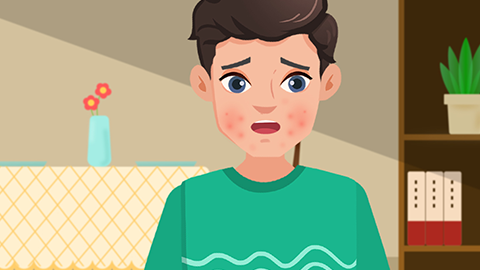
What Medications Are Effective for Skin Allergy?
Antihistamines are commonly used to treat skin allergies. Options include loratadine and cetirizine. For severe cases involving extensive skin damage, widespread ulceration, or significant exudation, systemic corticosteroids—such as dexamethasone or prednisone—may be prescribed. It is essential to avoid known allergens. Diet should remain light and bland; personal hygiene must be maintained, and the skin kept dry and clean.
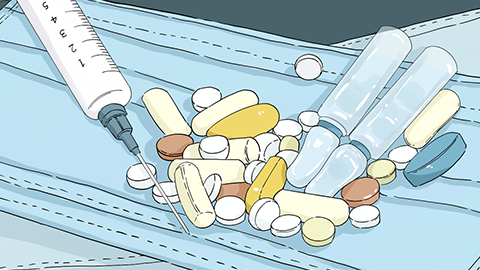
Skin allergy can be triggered by numerous internal and external allergens: 1. Contact allergens: Common examples include cosmetics, detergents, metals (e.g., nickel, chromium), topical medications containing mercury or iodine tincture, animal fur, and plant-derived irritants such as stinging nettle. Additionally, airborne inhalants—including house dust mites and fungal spores—can also provoke allergic reactions. 2. Ingested allergens: These include foods (e.g., fish, shellfish, strawberries, mangoes) and medications (e.g., antibiotics such as penicillin and cephalosporins; antipyretics and analgesics; sedatives; vaccines; and serum preparations), all of which may induce cutaneous allergic responses.
The above outlines appropriate pharmacological options for managing skin allergy. We hope this information proves helpful.


