


What should I do about peeling skin on my nose?

During the autumn and winter seasons, skin tends to become dry and dehydrated. Upon close observation, you may also notice flaking or peeling on the nose—a common concern for many women that cannot be fully concealed even with makeup. So, what can be done about nasal peeling?

How to Address Nasal Peeling
Nasal peeling can be improved through chemical exfoliation (“acid peels”) or by enhancing skin hydration. Peeling may result from excessive thickening of the stratum corneum (outermost skin layer), which calls for timely chemical exfoliation. Acid peels help remove dead, aged keratinocytes, thereby promoting smoother, healthier-looking skin. Alternatively, if peeling stems from dehydration-induced sensitivity or allergic reactions, hydrating treatments such as hyaluronic acid injections (“water-light needle” therapy) may provide effective relief.
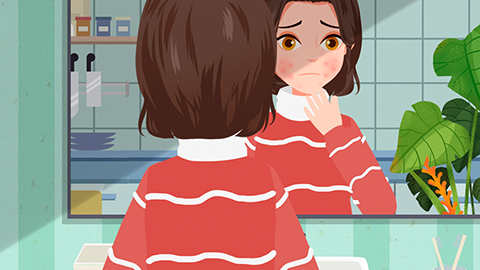
Several common causes underlie nasal peeling: First, seborrheic dermatitis—nasal tip and alar regions contain abundant sebaceous glands, sweat glands, and hair follicles, a condition often linked to hormonal fluctuations, dietary habits (e.g., frequent consumption of greasy or spicy foods), or adolescence. Second, chronic allergic eczema or dermatitis—this may arise from hypersensitivity to certain cosmetics or from sun exposure leading to photodermatitis. Third, post-inflammatory desquamation—following resolution of acute folliculitis or infected sebaceous cysts, skin retraction may occur, resulting in inflammatory scaling. Fourth, “blood heat” (a traditional Chinese medicine concept) or vitamin B deficiency may also contribute to nasal peeling.
The above outlines practical approaches to managing nasal peeling. We hope this information proves helpful to you.


