


Symptoms and Causes of Balanitis

Phimbalitis is a relatively common genital disorder. Nearly all patients with phimbalitis have either phimosis or redundant prepuce (i.e., an excessively long foreskin). Between the glans penis and the redundant foreskin, desquamated epithelial cells, glandular secretions, and smegma bacteria collectively create a warm, moist environment ideal for bacterial growth—once bacteria invade this area, inflammation readily ensues. So, what are the symptoms and causes of phimbalitis?
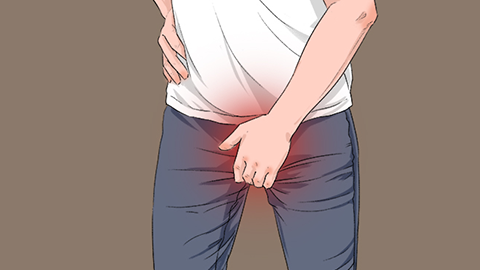
Symptoms and Causes of Phimbalitis
Phimbalitis is primarily an inflammatory infection caused by redundant prepuce. Typical symptoms include erythema (reddening), edema, pruritus (itching), and occasionally minor bleeding. The condition commonly arises when excessive white secretions accumulate beneath the redundant foreskin and remain uncleaned for prolonged periods, thereby irritating the inner foreskin and adjacent mucosa. Clinically, affected areas exhibit erythema, discrete red papules, pruritus, and often emit an unpleasant odor. If left untreated, phimbalitis may lead to cross-infection involving other components of the urinary system.
Penile balanoposthitis—a term encompassing inflammation affecting both the glans penis and the foreskin—is also relatively common among males. Treatment options fall into two categories: conservative management and surgical intervention. In most cases, conservative therapy alone achieves full resolution. Balanoposthitis typically results from redundant prepuce or phimosis, leading to accumulation of smegma within the coronal sulcus or on the inner surface of the foreskin. This persistent smegma irritates the mucosa of the inner foreskin, glans, and coronal sulcus, resulting in clinical manifestations such as erythema, swelling, and tenderness. Conservative treatment generally includes rigorous personal hygiene practices—specifically, daily cleansing of the inner foreskin, glans, and coronal sulcus with plain water.
The above outlines the symptoms and etiology of phimbalitis. We hope this information proves helpful to you.


