


What Does It Mean When a Newborn Has a Small Fontanelle?
Apr 14, 2022
Source: Cainiu Health

Dr. Zhang Weiling
Introduction
Common Causes of a Small Fontanelle in Newborns:
1. Microcephaly:
- True (primary) microcephaly results from chromosomal abnormalities within the body.
- Pseudo (secondary) microcephaly is often caused by inflammatory infections or damage to cerebral blood vessels.
2. Craniosynostosis: Premature fusion of cranial sutures can impair brain development, leading to craniofacial deformities and associated neurological symptoms.
3. Skeletal developmental delay.
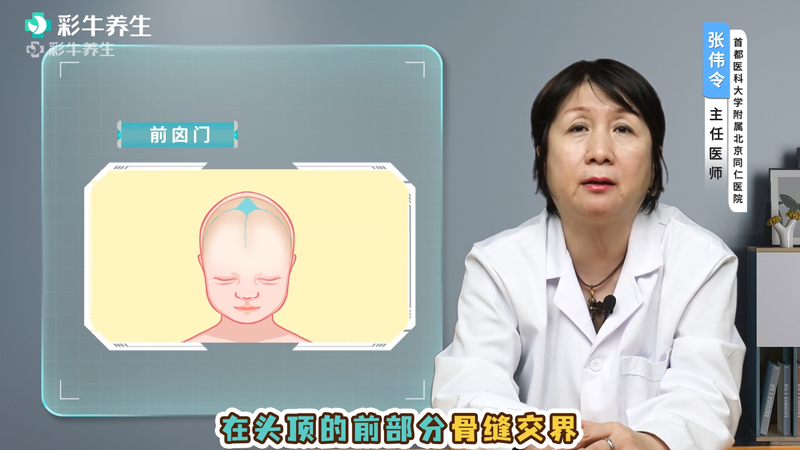
The anterior fontanelle is the diamond-shaped gap located at the front-top portion of a newborn’s skull, where the cranial bones meet but have not yet fused. This area lacks bony protection and is therefore relatively fragile. A small anterior fontanelle in newborns may result from conditions such as microcephaly, craniosynostosis, or delayed skeletal development.

① Microcephaly
Microcephaly is categorized into true (primary) and pseudo (secondary) forms.
True microcephaly: Primarily caused by chromosomal abnormalities, leading to impaired fetal brain development. This condition often results in intellectual disability, delayed language acquisition, behavioral abnormalities, incomplete brain development, paralysis, and seizures.
Pseudo microcephaly: Typically arises from inflammatory infections or cerebrovascular injury. Clinical manifestations are generally milder than those seen in true microcephaly.
② Craniosynostosis
This condition may be associated with rickets, thalassemia, idiopathic hypocalcemia, or mucopolysaccharidosis. Premature fusion of cranial sutures restricts brain growth, potentially causing craniofacial deformities and associated neurological symptoms.
③ Delayed Skeletal Development
In some newborns, head circumference falls within the normal range for age, but the anterior fontanelle appears smaller than typical. If brain development remains unaffected and no neurological deficits are observed, routine pediatric follow-up and physical examinations are sufficient to monitor growth and development. Additionally, calcium supplementation—as prescribed by a physician—may be recommended to support skeletal maturation.


