


What is puerperal fever?

In daily life, many women develop a fever shortly after childbirth—this condition is known as puerperal fever, which can have certain effects on the newborn. So, what exactly is puerperal fever?
What Is Puerperal Fever?
Puerperal fever—also termed “postpartum fever”—refers to persistent fever or sudden high fever accompanied by chills occurring during the puerperium (the six-week period following childbirth). Associated symptoms resemble those of puerperal infection in Western medicine. According to Western medical understanding, the primary cause of puerperal fever is puerperal infection induced by various bacteria, mycoplasma, or chlamydia. Such infections occur via two main routes: exogenous and endogenous. Exogenous infection arises when inadequate sterilization during delivery or unhygienic postpartum care allows external pathogens to enter the birth canal—for instance, if sexual intercourse occurs shortly before delivery. Endogenous infection occurs when a mother’s resistance and immune function decline, leading to increased numbers and virulence of normally resident pathogens in the reproductive tract.
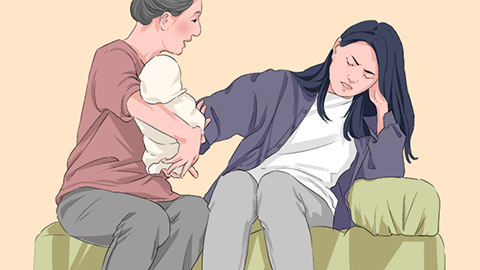
Traditional Chinese Medicine (TCM) attributes puerperal fever to pathogenic invasion, external contraction of pathogens, blood stasis, or blood deficiency. Dietary regulation during the postpartum period may help manage this condition and also support overall constitutional improvement.

Strengthening prenatal care helps enhance physical constitution. Maintaining good hygiene throughout pregnancy—including abstaining from sexual intercourse and avoiding tub baths for the last two months before delivery—is essential. Prompt treatment of chronic conditions such as vulvovaginitis and cervicitis, along with their complications, is also recommended. We hope this information proves helpful to you.


