


How to relieve bloodshot eyes

The eyes play a crucial role in the overall facial appearance. Visible blood vessels (subconjunctival hemorrhages or conjunctival injection) in the eyes can significantly affect one’s overall image. So, how can redness or bloodshot eyes be resolved?
How to Resolve Redness or Bloodshot Eyes
Treatment for bloodshot eyes should be tailored to the underlying cause. Generally, numerous factors may contribute to ocular redness. The most common causes include dry eyes or eye fatigue leading to localized conjunctival hyperemia. In such cases, there is typically no noticeable mucoid discharge, and patients experience minimal foreign-body sensation—only an increase in visible blood vessels across the sclera (the “white” of the eye). Artificial tears containing sodium hyaluronate may be used to alleviate dryness and reduce redness. If conjunctival redness is accompanied by significant swelling of the capillaries and increased mucoid discharge, infectious conjunctivitis may be present, requiring anti-inflammatory or antiviral medications to effectively resolve the redness. Conversely, if itching accompanies the redness, allergic conjunctivitis is likely, and antihistamine or other anti-allergic eye drops can help relieve symptoms. In most cases, the redness gradually subsides with appropriate treatment.
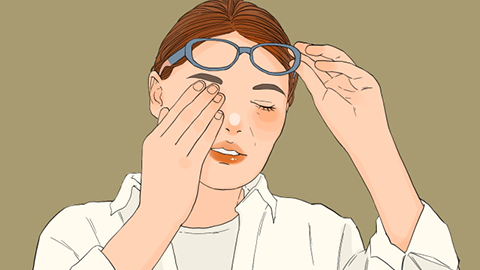
Prolonged screen time (e.g., staring at computer or television screens), frequent overtime work, late-night熬夜, or reading under excessively dim or overly bright lighting can all strain the eyes, causing vasodilation and subsequent redness. Applying cold compresses to the eyes may help constrict dilated blood vessels and reduce redness and swelling. Additionally, practicing proper eye hygiene—such as closing your eyes for 10 minutes every hour during work—is highly recommended.

Eyes are vital sensory organs, so it’s essential to use them wisely. Every hour, take a break by gazing into the distance, blink frequently to reduce eye fatigue, rest adequately, stay well-hydrated to help alleviate redness, and consume foods rich in beta-carotene—such as pumpkin and carrots. We hope this information proves helpful to you.


