


How to Take Vitamin B2 for Mouth Ulcers

In daily life, vitamin B2 deficiency commonly leads to recurrent oral ulcers, causing discomfort and interfering with daily activities and work. So, how should vitamin B2 be taken to treat oral ulcers?
How to Take Vitamin B2 for Oral Ulcers
Vitamin B2 tablets for oral ulcers can be taken orally after breakfast, lunch, and dinner. Typically, one to two tablets per dose are sufficient. Alternatively, vitamin B2 tablets may be ground into a fine powder and applied directly onto the ulcerated area. Patients with oral ulcers should maintain good oral hygiene to prevent disruption of the oral mucosa, avoid spicy or irritating foods, and supplement their diet with fresh fruits rich in vitamins to support recovery.
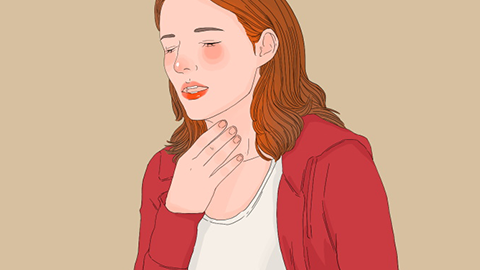
Vitamin B2 plays a vital role in growth and cellular metabolism. Deficiency can lead to inflammation of the skin and mucous membranes, manifesting as whitish erosions, fissures, bleeding upon mouth opening, and associated pain or burning sensations. Prolonged deficiency may result in ulcer formation and secondary bacterial infection. If left untreated, symptoms such as sore throat, dryness and discomfort in the mouth and throat, and low-grade fever may develop. Additionally, deficiency may cause lesions in other mucocutaneous areas, including glossitis, stomatitis, conjunctivitis, seborrheic dermatitis, and bursitis.

To help prevent oral ulcers, incorporate more vitamin B2–rich foods into your daily diet—such as rice, leafy green vegetables, animal offal, and dairy products (e.g., cow’s milk, goat’s milk, and mare’s milk). These foods are excellent natural sources of vitamin B2. We hope this information is helpful to you.


