


What does hair growth on a mole signify?

In real life, some people develop moles—either occasionally or frequently—while in others, hairs grow on their moles. What does hair growth on a mole signify?
What Does Hair Growth on a Mole Signify?
Hair growth on a mole is a common phenomenon, often referred to as a “hair-bearing nevus.” Compared with non-hairy moles, hairy moles generally indicate a higher degree of cellular differentiation and are more likely to be benign—and less likely to be malignant. Nevertheless, moles located in specific areas—such as the waist, palms, soles, or inner thighs—where they are subject to frequent friction warrant close observation. Patients are advised to seek timely removal at a reputable hospital, as chronic friction and irritation may increase the risk of malignant transformation of pigmented nevi.
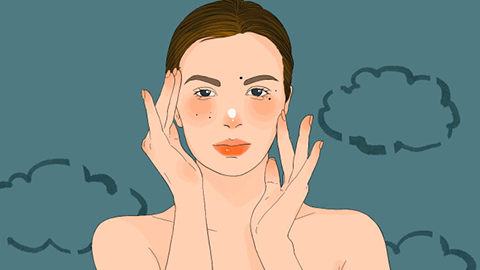
Additionally, patients should remain vigilant if a mole exhibits mild pain, burning, stinging, rapid enlargement over a short period, ulceration, or tenderness. In such cases, prompt medical evaluation is essential. Early surgical excision followed by histopathological examination is recommended to determine whether the lesion is benign or malignant.
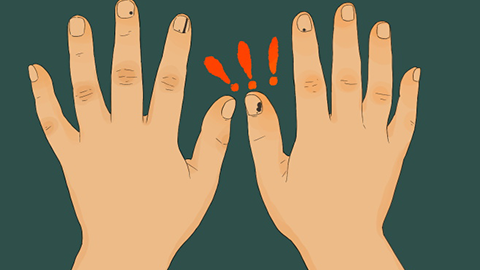
Therefore, hair growing on a mole is typically normal. As long as there are no signs of rapid growth, enlargement, pain, itching, or ulceration, it is best to avoid hair-removal treatments. Moreover, scratching or rubbing the area should be avoided to prevent skin injury and infection. Repeated mechanical stimulation may potentially trigger malignant transformation of the mole. If cosmetic concerns arise, the visible portion of the hair may be carefully trimmed—but not down to the root. We hope this information is helpful to you!


