


What Is Hepatitis B Surface Antibody?

Hepatitis B surface antibody (anti-HBs) is a relatively uncommon antibody; most patients do not fully understand it. So, what exactly is hepatitis B surface antibody?
What Is Hepatitis B Surface Antibody?
Hepatitis B surface antibody is a protective antibody that neutralizes the infectivity of the hepatitis B virus (HBV), thereby safeguarding the body against HBV infection. It serves as a marker for comprehensive immunity and is a key indicator of recovery and resistance. If a patient becomes infected with HBV and subsequently tests positive for anti-HBs following treatment, this suggests the condition is entering the recovery phase and that the body has developed immunity.
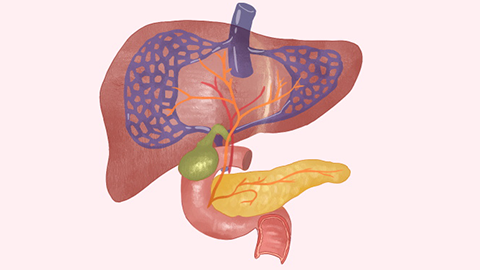
A high level of hepatitis B surface antibody does not harm the body—in fact, higher levels are generally better. After receiving the hepatitis B vaccine, anti-HBs not only becomes detectable (i.e., turns positive) but also increases in titer, conferring stronger protective capacity. Therefore, elevated anti-HBs levels pose no risk to health.
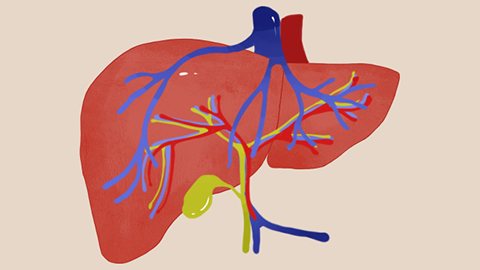
Hepatitis B surface antibody is produced by the immune system in response to hepatitis B surface antigen (HBsAg). Under the coordinated action of other components of the immune system, anti-HBs binds to HBsAg, facilitating viral clearance and protecting the host from HBV infection. Thus, anti-HBs is a specific, neutralizing antibody with protective function; its presence indicates that the individual has developed immunity against HBV. When anti-HBs becomes detectable in serum, HBsAg typically converts from positive to negative within approximately two weeks.
We hope this explanation has been helpful to you.


