


What are the health risks of sleeping with the lights on at night?

Sleep is an essential daily physiological process, yet it is highly susceptible to environmental factors that can significantly impair sleep quality. So, what are the health risks associated with sleeping with the lights on?
What Are the Health Risks of Sleeping with the Lights On?
Chronic exposure to light during sleep is detrimental to our health. Most people naturally fall asleep best in darkness, and individuals who are particularly light-sensitive may experience markedly reduced sleep quality—and disrupted sleep—when ambient light levels are too high. A critical factor involves melatonin, a hormone secreted by the brain’s pineal gland. Melatonin promotes sleep onset, deepens sleep, and helps maintain restful sleep. Exposure to light at night suppresses melatonin production, thereby weakening immune function and increasing cancer risk. Moreover, children and adolescents who habitually sleep with lights on are more prone to insomnia and anxiety, which can adversely affect both physical and mental well-being—leading to persistent fatigue and impairing next-day learning and work performance. If left unaddressed over time, such sleep disturbances may progress to neurasthenia, chronic insomnia, endocrine disorders, and even precocious puberty.
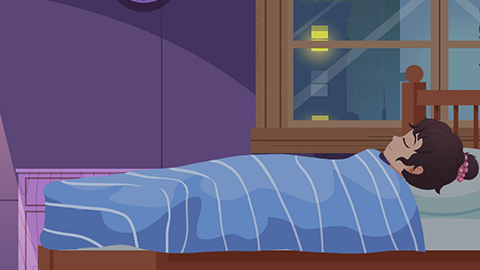
To optimize sleep, maintain a quiet, dimly lit environment—especially important for individuals with difficulty falling asleep. Additionally, cultivating calm, relaxed emotions before bedtime can facilitate faster sleep onset.
Sleep quality and healthy sleep habits are indispensable for maintaining overall physical and mental health. When the brain’s neural system receives adequate rest, learning efficiency and work performance improve significantly. We hope this information proves helpful to you.


