


Differences Between IUD Insertion and IUD Removal
Apr 14, 2022
Source: Cainiu Health

Dr. Lv Aiming
Introduction
The primary difference between IUD insertion and removal lies in their distinct purposes. IUD insertion is primarily used for contraception; in rare cases, it may also be employed to treat certain gynecological conditions—such as menorrhagia or endometriosis. IUD removal is performed when contraception is no longer required or when the device has reached the end of its recommended usage period, thereby preventing potential post-removal side effects. The procedural steps are largely similar, except that during insertion, a specialized instrument (e.g., an inserter or “fork”) is used to place the IUD into the uterine cavity.
Women can use intrauterine devices (IUDs) to prevent sperm from entering the uterus, thereby achieving effective contraception. What are the differences between IUD insertion and removal?
Differences Between IUD Insertion and Removal
The primary difference between IUD insertion and removal lies in their purposes. IUD insertion is primarily used for contraception; in rare cases, it may also be employed to treat certain gynecological conditions—such as menorrhagia or endometriosis. IUD removal is performed when contraception is no longer required or when the device has reached the end of its recommended usage period, to avoid potential side effects after expiration. The procedural steps are largely similar; however, during insertion, a specialized inserter (often resembling a fork) is used to place the IUD into the uterine cavity, whereas during removal, a small hook is used to retrieve the device.
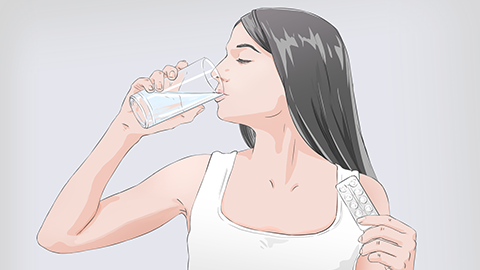
Timing is also important for both IUD insertion and removal. Generally, these procedures are ideally performed 3–7 days after menstruation ends. However, for pregnant women undergoing abortion, the IUD can be removed concurrently with the procedure. In women experiencing irregular uterine bleeding, the IUD may be removed at any time if an endometrial biopsy (e.g., dilation and curettage) is indicated; the scraped tissue can then be sent for pathological examination to rule out endometrial pathology. For perimenopausal women, it is advisable to remove the IUD within six months after menopause.
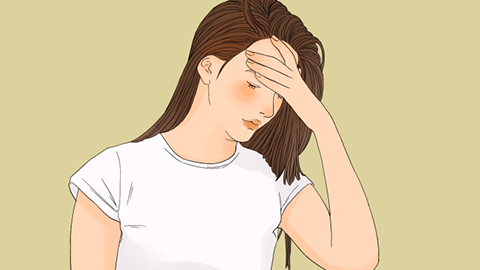
After IUD insertion or removal, patients should maintain good personal hygiene: abstain from sexual intercourse for a short period, keep the external genitalia clean and dry, change and wash undergarments frequently, and expose them to sunlight when possible to reduce the risk of vaginal infection. Diet should remain light and balanced, and adequate rest is essential—avoiding physical overexertion. We hope this information is helpful to you!



