


What Are the Symptoms of Mycoplasma Infection in Gynecology?

The symptoms of genital mycoplasma infection vary depending on the affected site. Such infections may cause vaginitis, cervicitis, urethritis, and other conditions—each with distinct clinical manifestations. So, what are the symptoms of genital mycoplasma infection? Let’s take a closer look.
What Are the Symptoms of Genital Mycoplasma Infection?
1. Symptoms of Vaginitis
When mycoplasma infects the vagina, it can trigger vaginitis. Typical symptoms include abnormal vaginal discharge—such as increased volume, thickened consistency, yellowish coloration, or foul odor—often accompanied by vaginal redness, swelling, and itching.

2. Symptoms of Cervicitis
Mycoplasma infection of the cervix may lead to cervicitis, characterized by cervical congestion and edema, along with purulent secretions adhering to the surface. Contact bleeding—such as postcoital bleeding—may occur. Additional symptoms may include a sensation of pelvic heaviness or lower abdominal pain.
3. Symptoms of Urethritis
When mycoplasma infects the female urethra, urethritis may develop, presenting with urinary frequency, urgency, incomplete bladder emptying, and low back pain.
4. Other Symptoms
If a pregnant woman acquires a mycoplasma infection, the pathogen may invade the amniotic membranes between weeks 16 and 20 of gestation, damaging the placenta and causing chorioamnionitis—potentially resulting in miscarriage, preterm birth, or stillbirth.
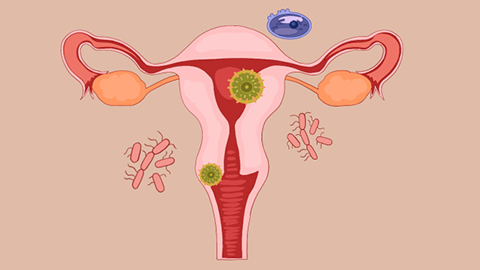
The above outlines the common symptoms associated with genital mycoplasma infection. Therefore, prompt medical evaluation is essential to identify the underlying cause and initiate targeted treatment—thereby preventing complications or secondary infections. We hope this information is helpful to you.


