Efficacy and Effects of Wild Oat (Avena fatua)
Apr 14, 2022
Source: Cainiu Health

Dr. Liu Zhengxin
Introduction
1. Promotes intestinal lubrication and relieves constipation: Wild oat has the effect of lubricating the intestines and facilitating bowel movements.
2. Enhances longevity: Oats are exceptionally rich in linoleic acid, which provides adjunctive therapeutic benefits for conditions such as fatty liver disease, diabetes, edema, and constipation.
3. Prevents cardiovascular diseases: Oats effectively lower blood cholesterol levels, thereby helping to prevent cardiovascular and cerebrovascular diseases.
Wild oat is a plant commonly found in rural areas; however, many people believe that wild oat offers significantly greater nutritional benefits than cultivated oat. So, what are the health benefits and effects of wild oat?
Health Benefits and Effects of Wild Oat
1. Promotes Intestinal Lubrication and Relieves Constipation
Wild oat helps lubricate the intestines and relieve constipation. Many elderly individuals suffer from dry stools, which may increase the risk of cerebrovascular accidents; consuming oat can effectively alleviate constipation.

2. Promotes Longevity and Healthy Aging
Wild oat is exceptionally rich in linoleic acid, which provides supportive therapeutic effects for conditions such as fatty liver disease, diabetes, edema, and constipation. For older adults, it also enhances physical stamina and contributes significantly to longevity.
3. Prevents Cardiovascular Diseases
Wild oat effectively lowers blood cholesterol levels; regular consumption thus plays a preventive role against cardiovascular and cerebrovascular diseases.
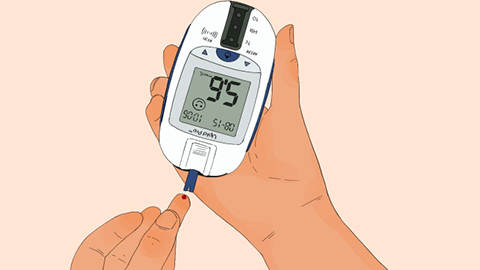
4. Lowers Blood Glucose Levels
Frequent consumption of wild oat offers excellent glucose-lowering and weight-management benefits for individuals with diabetes.
5. Supplies Calcium and Other Essential Minerals
Wild oat improves blood circulation and helps alleviate stress caused by daily life and work. Its rich content of minerals—including calcium, phosphorus, iron, and zinc—helps prevent osteoporosis, promotes wound healing, and prevents anemia, making it an excellent natural source of calcium.
6. Brightens Skin and Fades Hyperpigmentation
Wild oat contains abundant antioxidant compounds, which effectively inhibit the redox reactions involved in melanin synthesis, thereby reducing melanin production, lightening existing pigmentation spots, and helping maintain fair, radiant skin.
The above outlines the key health benefits and effects of wild oat. We hope this information proves helpful to you.