


How long is the human intestine?

The most common health issues today involve the gastrointestinal tract. The intestine comprises several segments, including the large intestine, small intestine, rectum, and duodenum. Occupying a substantial portion of the human body, the intestine plays a vital role—any dysfunction can significantly impact overall health. So, just how long is the human intestine?
How Long Is the Human Intestine?
The small intestine is relatively long—approximately 6–7 meters—and serves as the longest segment of the digestive tract, connecting the stomach to the large intestine. Food remains in the small intestine for an extended period; partially digested material from the stomach may accumulate here if not promptly moved onward. The large intestine connects the small intestine to the anus—the terminal portion of the digestive tract—where feces accumulate. Its length is approximately 1.5 meters. Intestinal waste must be eliminated promptly; prolonged retention allows toxins to accumulate, potentially harming both systemic health and intestinal integrity. Currently, intestinal disorders are highly prevalent, and colorectal cancer warrants particular attention. Rectal cancer, in particular, occurs frequently and must not be overlooked.
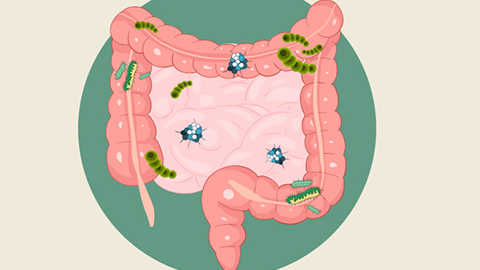
Many people assume the large intestine functions solely as a storage site for feces—but this is inaccurate. In fact, the large intestine not only stores waste but also participates actively in digestion. Residual undigested particles from food often require further processing before final elimination. Small intestinal length varies among individuals, typically measuring roughly four to five times a person’s height. Regardless of intestinal length, protecting intestinal health and enhancing its functional capacity is essential to support optimal bodily function.

The human intestine is far longer than commonly imagined—and is even referred to as the body’s “second brain.” Therefore, proper intestinal care is crucial. Pay special attention to diet: consume mild, non-irritating foods; drink ample water; and regularly perform abdominal exercises to enhance intestinal motility and capacity—thereby promoting smoother overall physiological function. We hope this information proves helpful.


