


What should I do if there is a shadow in the lungs?

Optimal lung health ensures smooth, unimpeded breathing. Therefore, the presence of a shadow on a lung imaging study indicates an underlying pulmonary pathology. What should one do if a lung shadow is detected?
What to Do If a Lung Shadow Is Detected
Lung shadows may result from conditions such as pneumonia and are often treated with penicillin- or cephalosporin-class antibiotics, which exert anti-inflammatory and antimicrobial effects. Environmental factors also play a critical role: maintaining clean, hygienic air quality helps prevent bacterial or viral irritation of the lungs, thereby reducing the risk of pulmonary disease and enhancing the lungs’ resistance to infection—and minimizing disease recurrence.
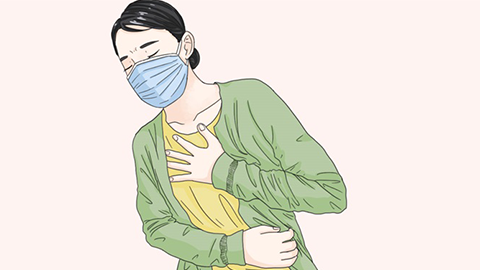
Lung shadows typically arise from pulmonary infections. Bacterial and viral infections are the most common causes; in rare cases, Mycobacterium tuberculosis may be responsible. Both pneumonia (caused by bacteria or viruses) and pulmonary tuberculosis produce characteristic shadows visible on chest X-ray or computed tomography (CT) scans. If a lung shadow is identified, prompt pharmacologic intervention—guided by blood test results—is essential for effective infection control.

The lungs serve as the primary respiratory organs, located within the thoracic cavity—one on the left and one on the right—overlying the heart. Each lung is subdivided into lobes: the left lung has two lobes (upper and lower), while the right lung has three (upper, middle, and lower), totaling five lobes. The lungs connect to the larynx and nose via the trachea and bronchi; the nose functions as the external orifice of the lungs. The left lung is divided into upper and lower lobes by the oblique fissure; the right lung features both an oblique and a horizontal fissure, resulting in its three distinct lobes. Structurally, the lungs form a branching “bronchial tree,” originating from repeated divisions of the bronchi. We hope this information is helpful.


