


Treatment of Pyogenic Arthritis

Among some middle-aged and elderly individuals, as age advances, insufficient replenishment of essential nutrients may lead to joint pain and arthritis. What is the treatment for septic arthritis?
What Is the Treatment for Septic Arthritis?
Treatment for septic arthritis typically involves anti-inflammatory medications prescribed by a physician; intravenous (IV) antibiotic therapy may also be administered. As individual cases vary, treatment plans must be tailored accordingly. It is advisable to visit a hospital for an X-ray examination to assess disease severity. In severe cases, joint aspiration—removing accumulated fluid via needle puncture—may be performed.
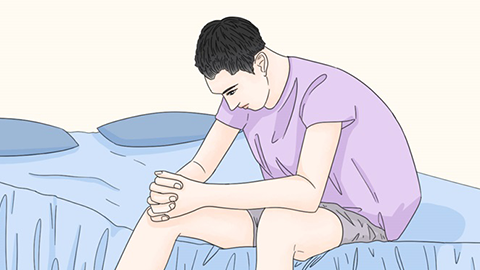
Septic arthritis is caused by pathogenic bacteria, most commonly Staphylococcus aureus. Other frequent causative organisms include Staphylococcus epidermidis, Streptococcus pneumoniae, and members of the Enterobacteriaceae family. Routes of infection include: • Hematogenous spread: Bacteria from purulent foci elsewhere in the body disseminate via the bloodstream to the joint; • Direct extension: Adjacent purulent lesions near the joint—such as femoral head or iliac osteomyelitis—spread directly into the joint cavity (e.g., hip joint); • Iatrogenic infection: Occurs following joint surgery in infants or intra-articular corticosteroid injections.
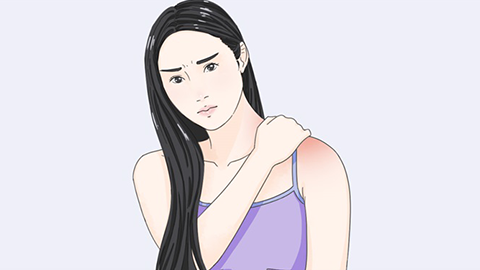
Septic arthritis most commonly affects the hip and knee joints, followed by the elbow, shoulder, and ankle joints. Early symptoms typically include high fever, chills, and loss of appetite; infants may present with seizures. Affected hip or knee joints exhibit marked limitation in flexion, extension, and internal/external rotation. We hope this information proves helpful to you.


