


When should boys start shaving?

Beards are a symbol of masculinity. Many men likely recall, with curiosity, watching their fathers shave when they were young. When facial hair first begins to appear, boys often rush to shave it off—sometimes even before it fully grows in. Some men shave frequently, believing that skipping a shave makes them look unkempt. Others, however, shave infrequently. Many believe that the more they shave, the thicker and denser their beard will become. So, at what age should boys begin shaving?
When Should Boys Start Shaving?
During puberty, most boys begin developing facial hair on their cheeks and around their lips—a key secondary sexual characteristic of males. Typically, boys start growing noticeable facial hair around age 16, though at this stage it usually appears as fine, soft “peach fuzz” rather than the coarse, dense beard seen in adult men. There’s no need to rush into shaving at this point; in fact, shaving is generally unnecessary before age 20. However, individual variation exists: genetics significantly influence beard thickness and growth rate. If a boy develops noticeably thicker or faster-growing facial hair, he may begin shaving occasionally starting around ages 17–18.
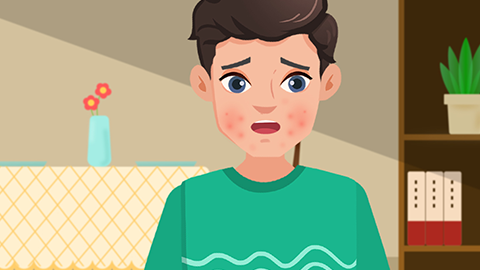
It is not advisable for boys to begin shaving very frequently right from the onset of puberty. Beard growth is closely linked to testosterone levels in males. During puberty, testosterone levels rise significantly, and excessive shaving may stimulate faster, coarser, and denser hair regrowth. While it’s true that beards often become progressively thicker and denser over time, this is not caused by shaving itself—but rather by changes in the hair follicles. Typically, each follicle produces only one hair strand. During puberty, the number of active follicles gradually increases; after reaching adulthood, follicle count stabilizes. Thus, increased density during adolescence is natural—and tends to level off once maturity is reached.
We hope male readers now have a clearer understanding of beard development and shaving practices. Remember: shaving is optional before age 20, and even afterward, timing and frequency should be considered thoughtfully. We hope this information proves helpful.


