


What Causes Red Blood Vessels in the Sclera?

Redness in the whites of the eyes (scleral injection) may result from eye strain, insufficient sleep, environmental factors, conjunctivitis, or dry eye syndrome. Management depends on the underlying cause. It is advisable to seek prompt medical evaluation and follow your physician’s guidance for appropriate treatment.
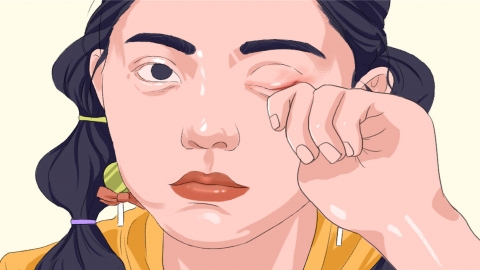
1. Eye Strain
Prolonged use of electronic devices—such as computers and smartphones—or extended periods of reading or writing can place the eyes under sustained tension. Continuous ciliary muscle contraction and fatigue-induced dilation of superficial blood vessels on the eye’s surface may lead to visible redness in the sclera. To mitigate this, reduce continuous near-work duration and increase the frequency of rest breaks.
2. Insufficient Sleep
Inadequate sleep impairs ocular circulation. To compensate and ensure adequate oxygen and nutrient delivery to the eye, ocular blood vessels undergo reactive dilation, resulting in scleral redness. Adults should aim for 7–9 hours of quality sleep per night. Establish consistent sleep habits and optimize your sleeping environment for comfort and restfulness.
3. Environmental Factors
Dry or otherwise suboptimal environmental conditions can irritate the eyes, accelerating tear evaporation and causing ocular dryness, conjunctival hyperemia, and scleral vessel dilation. In dry environments, using a humidifier to maintain indoor relative humidity between 40% and 60% is recommended.
4. Conjunctivitis
Conjunctivitis—a common ocular inflammatory condition—is typically caused by bacterial or viral infection or allergic reactions. Inflammation triggers conjunctival vasodilation, leading to scleral redness, often accompanied by ocular redness, itching, and increased discharge. Treatment should be guided by a physician and may include topical medications such as ofloxacin eye drops, acyclovir eye drops, or sodium cromoglicate eye drops.
5. Dry Eye Syndrome
Dry eye syndrome is a disorder of the ocular surface caused by either inadequate tear production or excessive tear evaporation. Insufficient tear film leads to ocular surface inflammation and secondary conjunctival hyperemia, manifesting as dryness, foreign-body sensation, and scleral redness. Under medical supervision, patients may use lubricating or anti-inflammatory eye drops—including sodium hyaluronate, polyvinyl alcohol, or cyclosporine eye drops—to alleviate symptoms.
In daily life, adopt healthy lifestyle habits: ensure sufficient, regular sleep; avoid staying up late; and maintain good ocular hygiene—gently cleansing the eyelids and periocular area with warm water daily supports overall eye health.


