


What Are the Symptoms of High Uric Acid Levels?

Hyperuricemia does not inevitably lead to gout. Gout occurs only when uric acid crystals continuously deposit in the synovial membrane of joints, triggering synovitis. In fact, only about 10% of individuals with hyperuricemia develop gout. However, because gout has complex etiological factors, many patients experience gout attacks even when their serum uric acid levels remain within the normal range. So, what symptoms may indicate elevated uric acid levels?
What Symptoms May Indicate Elevated Uric Acid Levels?
Waking up at night to urinate is common, but if nocturia becomes frequent—accompanied by a persistent sensation of bladder fullness and an urgent need to void—it may signal rising uric acid levels. Excess uric acid can impair kidney function over time. If such symptoms persist chronically, prompt medical evaluation is recommended to confirm whether serum uric acid levels are elevated.

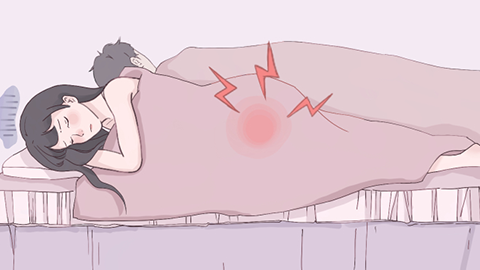
Feeling fatigued during the day may result from staying up late or insufficient sleep. However, if fatigue persists despite adequate nighttime sleep, this warrants attention: elevated uric acid levels may be the underlying cause. When uric acid rises, the body enters a state of relative dehydration, leading to nocturnal thirst and increased water intake—disrupting normal sleep patterns and contributing to daytime exhaustion.
Although hyperuricemia and gout are rarely life-threatening, their high prevalence and significant health impact should not be overlooked. Early medical consultation and appropriate diagnostic testing and treatment are strongly advised. We hope this information proves helpful to you.


