


Can I drink alcohol after receiving the COVID-19 vaccine?
Apr 14, 2022
Source: Cainiu Health

Dr. Jiang Weimin
Introduction
Alcohol consumption is not recommended within one week after receiving the COVID-19 vaccine. After one week, if you experience no adverse symptoms—such as fatigue, dizziness, or lethargy—and are otherwise in good health, limited alcohol intake may be acceptable. During the first week following vaccination, several precautions should be observed: avoid alcohol entirely and minimize smoking.
Due to the severity of the pandemic in daily life, preventive measures—including vaccination—are essential. Some individuals may consume alcohol after receiving the COVID-19 vaccine. So, is it safe to drink alcohol after receiving the COVID-19 vaccine?
Can you drink alcohol after receiving the COVID-19 vaccine?
Alcohol consumption is not recommended within one week after receiving the COVID-19 vaccine. After one week, if you experience no adverse symptoms—such as fatigue, dizziness, or lethargy—and are otherwise in good health, moderate alcohol intake may be permissible. During the first week post-vaccination, several precautions should be observed: avoid alcohol entirely; minimize or avoid smoking; refrain from consuming spicy or highly stimulating foods; and avoid caffeinated beverages such as coffee and strong tea. Maintain a balanced routine of rest and activity—avoid heavy physical labor, intense exercise, or prolonged physical exertion.
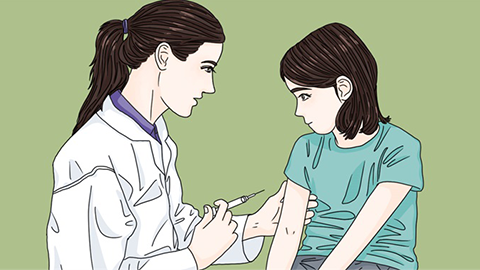
Coronavirus disease 2019 (COVID-19) is an acute respiratory infectious disease. Given the lack of effective specific treatments and its high transmissibility, vaccination has become a critical strategy for pandemic control. Generally, domestically administered COVID-19 vaccines rarely cause significant adverse reactions; however, recipients must be fully aware of relevant precautions and contraindications to prevent discomfort or complications.
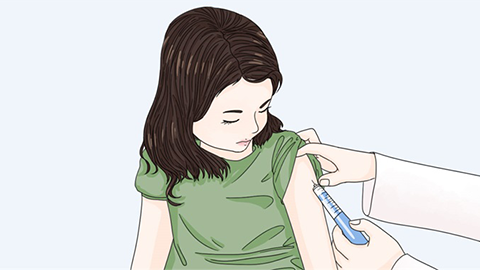
Immediately following vaccination, avoid spicy, stimulating foods and seafood for a short period to reduce the risk of allergic reactions. A light, balanced diet is recommended—emphasizing fresh fruits and vegetables. We hope this information is helpful to you.





