


What should I do if my eyes are flash-burned by welding arc light?
Apr 15, 2022
Source: Cainiu Health

Dr. Chen You
Introduction
Welder’s flash (also known as photokeratitis) results from ultraviolet radiation exposure during welding, causing denaturation of surface corneal proteins. Patients typically present with pain, excessive tearing, and photophobia. Treatment includes cold compresses, artificial tears and lubricating gels, and topical antibiotic eye drops. Cold compresses help alleviate severe, intolerable pain. The primary goals of management are symptomatic relief and prevention of secondary infection.
Eye injury caused by exposure to electric arc light during welding is known as photokeratitis (also termed “welder’s flash”). So, what should you do if your eyes are affected by welding arc light?
What to Do If Your Eyes Are Affected by Welding Arc Light
Exposure to welding arc light causes protein denaturation on the corneal surface, resulting in symptoms such as pain, tearing, and photophobia—this condition is termed photokeratitis. Treatment includes cold compresses, application of artificial tears or ocular gels, and topical antibiotic eye drops. Cold compresses: For severe, intolerable pain, cold compresses can help alleviate symptoms. Artificial tears and gels: Corneal epithelial injury may be treated with artificial tears or recombinant bovine epidermal growth factor (EGF) gel to promote epithelial healing. Antibiotic eye drops: To prevent infection, patients should use topical antibiotics—commonly prescribed options include levofloxacin eye drops and bleomycin eye drops. In cases without corneal infection, epithelial repair typically occurs within 24–48 hours, accompanied by symptom relief.
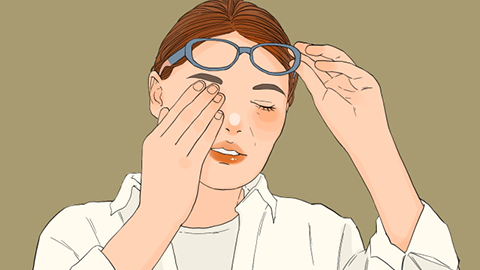
The primary goals of treatment are pain relief and prevention of secondary infection. Initially, topical cocaine solution may be instilled into the eye; pain usually subsides within minutes after administration, but repeated use must be avoided. In emergencies, freshly expressed human milk or sterile fresh cow’s milk may be applied for their analgesic effect. To prevent infection, topical antibiotic ointment should be applied followed by eye patching.
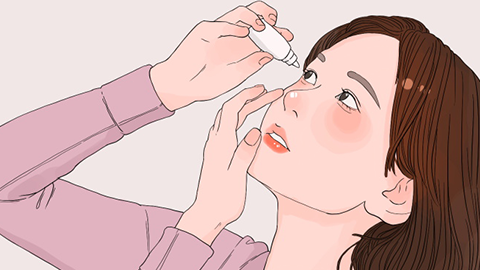
Patients experiencing severe ocular pain may take oral anti-inflammatory medications daily and rest with eyes closed to minimize light exposure and reduce eye movement that could further irritate the cornea. Individuals with photophobia should wear sunglasses. We hope this information proves helpful!




