


When Should Antihypertensive Medications Be Taken?

Hypertension is increasingly common—not only among the elderly, but also among middle-aged and even younger adults. In severe cases, patients must take antihypertensive medications daily to control their blood pressure. So, when should antihypertensive drugs be taken?
When Should Antihypertensive Medications Be Taken?
The optimal timing for taking antihypertensive medications may vary from person to person. However, for most individuals, blood pressure tends to rise during daytime activity and decline during nighttime sleep—often peaking again in the early morning. If morning blood pressure remains within normal range, long-term medication can be taken in the morning. Conversely, some individuals experience nocturnal hypertension—elevated blood pressure during sleep or overnight—followed by a pronounced morning surge. Yet their blood pressure may remain relatively stable during the day, especially after 10 a.m. In such cases, taking antihypertensive medication in the evening may be more appropriate.
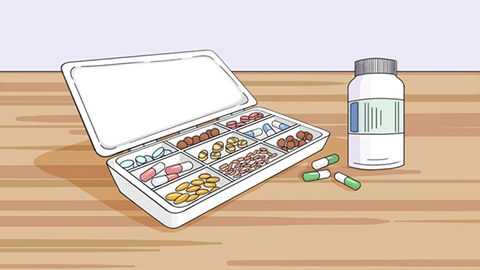
Therefore, determining the best time to take antihypertensive medication requires regular blood pressure monitoring. If you can measure and record your blood pressure at multiple times throughout the day—such as in the morning, afternoon, evening, and before bedtime—you’ll gain insight into whether your current dosing schedule adequately controls your blood pressure—and identify the most suitable timing for medication intake. Additionally, 24-hour ambulatory blood pressure monitoring (ABPM) provides valuable data on blood pressure patterns over an entire day and night, helping clinicians determine the optimal timing for medication administration.
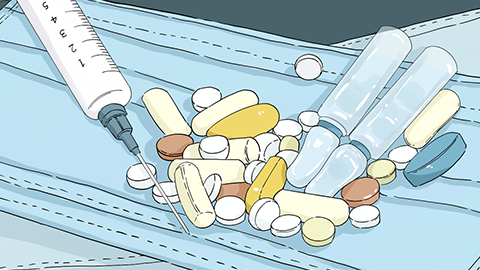
Antihypertensive medications fall into five major classes: diuretics, calcium channel blockers (CCBs), angiotensin-converting enzyme inhibitors (ACEIs), angiotensin II receptor blockers (ARBs), and beta-blockers. Always use these medications strictly under the guidance of your physician. Common symptoms of uncontrolled hypertension include headache, dizziness, generalized fatigue, malaise, and nausea. In daily life, it’s essential to improve unhealthy habits—avoid exposure to polluted environments, maintain regular sleep-wake cycles (going to bed early and rising early), and refrain from consuming spicy, irritating, or hard-to-digest foods. We hope this information proves helpful to you.


