What should I do if my toddler’s lips are chapped?
Apr 15, 2022
Source: Cainiu Health

Dr. Ma Yan
Introduction
What to Do for Cracked Lips in Toddlers:
1. Clean the lips. Keep the lip skin clean by gently washing with lukewarm water, then apply a child-safe lip balm.
2. Maintain a balanced diet. Encourage adequate water intake and consume light, easily digestible foods. Increase intake of fresh vegetables and fruits. Avoid “heat-inducing” foods such as chili peppers and garlic.
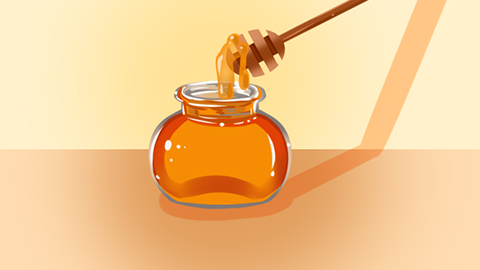
3. Honey therapy. Apply honey directly to the lips—honey possesses detoxifying, antibacterial, anti-inflammatory, and moisturizing properties.
There are many causes of chapped lips in toddlers—ranging from dry weather and dehydration to excessive internal heat (“fire” in Traditional Chinese Medicine). Regardless of the underlying cause, chapped lips can cause significant discomfort for young children. So, what should parents do when their toddler develops chapped lips? Let’s explore some effective solutions.
How to Manage Chapped Lips in Toddlers
1. Gentle Lip Cleansing
Chapped lips in toddlers may stem from dehydration, so maintaining cleanliness of the lip skin is essential. After each meal, gently wash the lips with lukewarm water—avoid alkaline cleansers such as soap, which may further dry out the skin. Then apply a child-safe lip balm, preferably one enriched with vitamin E or other nourishing ingredients.

2. Balanced Diet
Toddlers with chapped lips should drink plenty of water—especially upon waking and before bedtime—to maintain adequate hydration. Increase intake of vitamin-rich foods, favor light and easily digestible meals, and avoid fried, grilled, or smoked foods. Also limit “heat-inducing” foods such as chili peppers, garlic, ginger, scallions, onions, leeks, and oranges, which may exacerbate internal heat. Instead, encourage consumption of fresh fruits and vegetables, which are rich in vitamins and help moisturize the skin.
3. Honey Application
Honey can be applied directly to chapped lips—it possesses natural detoxifying, antibacterial, anti-inflammatory, and moisturizing properties. Before bedtime, apply a small amount of honey to the lips and gently massage to stimulate local blood circulation, thereby enhancing nutrient delivery and improving hydration and softness.
The above strategies address common approaches to managing chapped lips in toddlers. Additional supportive measures include serving cooling, heat-clearing beverages such as stewed silver ear fungus with rock sugar or stewed pear with rock sugar. These traditional remedies help soothe internal heat and protect the lips. We hope this information proves helpful.