


What Are the Methods of Meridian-Based Health Preservation?
Apr 15, 2022
Source: Cainiu Health
Dr. Ding Yu
Introduction
Meridian-based health preservation primarily involves stimulating tender points or acupoints along the meridians to regulate dysfunction of the internal organs, thereby achieving therapeutic, health-enhancing, and disease-preventive effects. Major methods of meridian-based health care include tuina (Chinese therapeutic massage), acupuncture, and moxibustion. For example, acupuncture at acupoints such as Zusanli (ST36), Guanyuan (CV4), and Qihai (CV6) exerts significant health-promoting benefits.
With the improvement of living standards today, some people prefer meridian-based health preservation to maintain their physical well-being. What are the methods of meridian-based health preservation?
What Are the Methods of Meridian-Based Health Preservation?
Meridian-based health preservation primarily involves stimulating tender points or acupoints along the meridians to regulate dysfunction of internal organs and thereby achieve therapeutic, health-promoting, and preventive effects. Key methods of meridian-based health care include tuina (Chinese therapeutic massage), acupuncture, and moxibustion. For example, acupuncture at acupoints such as Zusanli (ST36), Guanyuan (CV4), and Qihai (CV6) can yield significant health benefits.
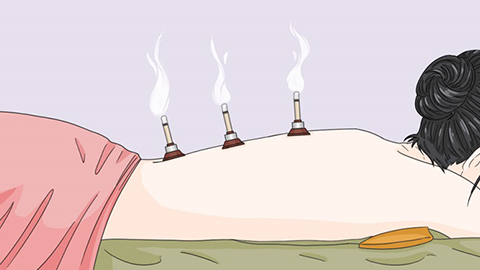
Additionally, gently tapping the superficial muscles with the hands or other tools during daily life can also contribute to health maintenance. The meridians connect external muscles with internal organs; thus, functional abnormalities in internal organs may manifest as reactive points along the surface meridians.
Meridians regulate the flow of qi (vital energy) and blood. They interconnect all organs and viscera throughout the body, linking the upper and lower, interior and exterior regions, and serving as conduits for information transmission and regulation. As an essential component of human anatomy, meridians comprise a complex network—including the main meridians (jingmai), divergent meridians (biejing), eight extraordinary vessels (qijing bamai), and fifteen collateral channels (luo mai)—which crisscross vertically and horizontally, penetrate internally and emerge externally, and interconnect all internal organs. Meridians function as channels for the circulation of qi and blood, delivering vital nutrients to various organs and tissues, nourishing the zang-fu organs, moistening tendons and bones, and ensuring smooth joint movement. We hope this explanation proves helpful to you!



