


What Is a Mercury Sphygmomanometer?

Mercury sphygmomanometers can be used to measure human blood pressure and offer certain clinical benefits, yielding highly reliable and accurate results. But what exactly is a mercury sphygmomanometer?
What Is a Mercury Sphygmomanometer?
The mercury sphygmomanometer is a commonly used type of blood pressure monitor. Its primary structural component is mercury. First developed in the United Kingdom in 1928, it has since been widely employed for measuring human blood pressure and remains suitable for accurately assessing blood pressure in most patients.
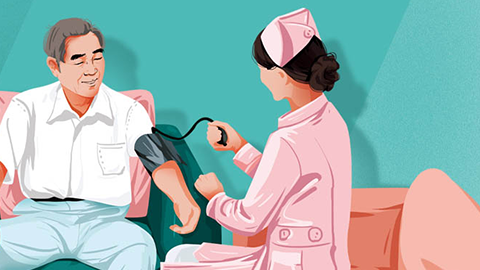
During measurement, the patient should either lie supine or sit comfortably. Prior to measurement, the patient must rest quietly for at least five minutes to ensure physiological stability. The midpoint of the upper arm should be positioned at approximately heart level. A cuff—containing an inflatable bladder—is wrapped snugly around the upper arm: covering approximately 80% of the arm’s circumference in adults and 100% in children, with a width sufficient to cover about 40% of the arm’s circumference. The cuff should be placed approximately one inch (2.5 cm) above the elbow crease. The diaphragm of the sphygmomanometer’s stethoscope is then positioned over the brachial artery, just below the lower edge of the cuff. Next, the cuff is rapidly inflated to a pressure 20–30 mmHg above the estimated systolic blood pressure. The release valve is then opened gradually to allow air to escape at a steady rate (~2–3 mmHg per second). The first appearance of clear, repetitive Korotkoff sounds corresponds to the systolic blood pressure. As deflation continues at a controlled pace, the point at which the Korotkoff sounds disappear (or undergo a sudden muffling or change in quality) indicates the diastolic blood pressure. Mercury sphygmomanometry is considered the gold standard for accuracy in non-invasive blood pressure measurement.
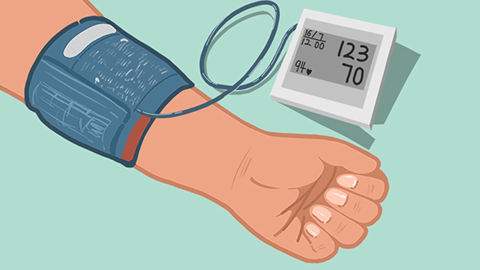
To ensure accurate readings, patients should rest quietly for at least five minutes before measurement and avoid stimulants such as strong tea or coffee. The ambient temperature should be comfortable—not excessively cold or hot. Additionally, patients should maintain adequate rest in daily life and avoid excessive physical or mental fatigue. We hope this information proves helpful.


