


What Causes Pain Between the Eyebrows?

Perhaps I’ve been using the computer too much recently, and now I’m experiencing pain between my eyebrows. Previously, I had no significant medical history, nor any known conditions that might lead to long-term complications. However, I’m unsure what has changed lately—I constantly feel pain in the center of my forehead, which is causing considerable disruption to my daily life. So, what could be causing this forehead pain?
What Causes Forehead Pain?
The primary causes of forehead pain include the following: chronic sleep deprivation—patients may develop yellowish discoloration of the eyebrows, with symptoms improving once sleep habits normalize. During viral upper respiratory infections (e.g., the common cold), patients often experience nasal congestion, rhinorrhea, forehead pain, and headache. Pre-existing sinusitis or frontal sinusitis can also manifest as localized forehead pain. Therefore, if you develop persistent forehead pain, it’s advisable to seek prompt medical evaluation at a hospital to identify the underlying cause and initiate appropriate, targeted treatment.
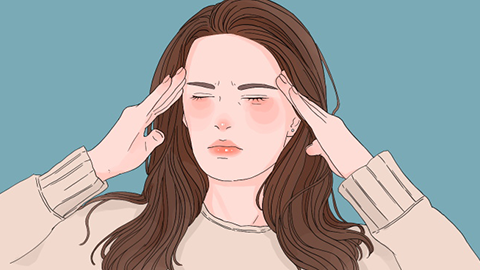
If the pain feels like bone tenderness, it may result from minor trauma. In the absence of significant bruising or swelling, a fracture is unlikely; gentle warm compresses and light massage may help alleviate discomfort. More commonly, forehead pain arises from tension-type headaches—often triggered by sleep deprivation or excessive work-related stress. Such pain tends to be mild and non-progressive; symptoms usually improve markedly with adequate rest. If none of the above measures provide relief, a neurological condition should be considered, and a cranial CT scan is recommended to clarify the diagnosis.
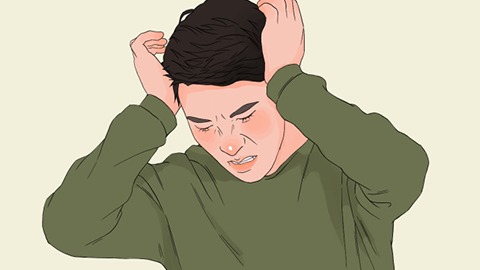
Forehead pain may stem from multiple factors. Common contributors include psychological stress and anxiety, which can affect central nervous system function. It may also occur during febrile illnesses such as the common cold or influenza—particularly early in the course, when sore throat, coughing, and sneezing cause nasal congestion, potentially leading to referred pain in the forehead region. Additionally, prolonged computer use can induce eye strain and ocular discomfort, sometimes perceived as forehead pain. If you experience forehead pain, prioritize rest and closely monitor your symptoms in daily life. Improvement over time generally indicates a benign, self-limiting condition; however, persistent or worsening symptoms warrant timely medical consultation. We hope this information is helpful. Wishing you good health and happiness.


