


Early Symptoms of Aortic Dissection Aneurysm

Aortic dissection is a life-threatening condition—not a malignant tumor—that can be triggered by various causes, such as severe trauma or spontaneous aortic wall tear. Blood enters the aortic wall through the damaged site, causing separation (dissection) of the vessel wall layers. This intimal separation creates a false lumen alongside the true lumen, resulting in a “double-lumen” aorta. So, what are the early symptoms of aortic dissection?
What Are the Early Symptoms of Aortic Dissection?
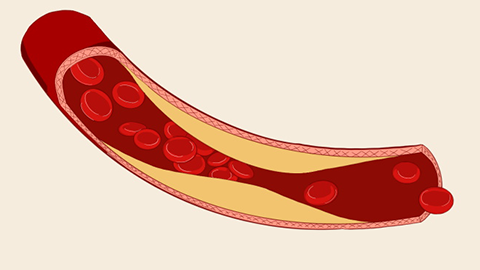
Early symptoms of aortic dissection include sudden-onset severe pain, cardiovascular abnormalities, and gastrointestinal manifestations. Sudden, excruciating pain—often described as “tearing” or “knife-like”—is one of the earliest and most characteristic symptoms, occurring in over 90% of patients. The pain typically localizes to the anterior chest or interscapular region, persists for an extended duration, and may be accompanied by vagal hyperactivity (e.g., bradycardia, diaphoresis, nausea). If the dissection extends into branch vessels or adjacent organs, cardiovascular complications may arise. Additionally, some patients experience gastrointestinal symptoms such as vomiting, abdominal pain, or hematochezia.
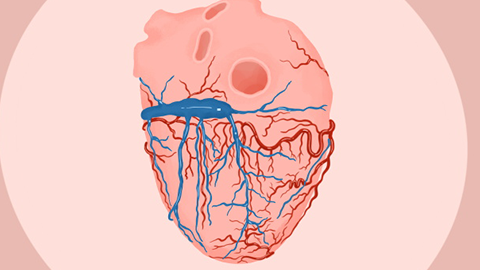
Once diagnosed with aortic dissection, immediate hospitalization and intensive monitoring are essential. Treatment aims to reduce myocardial contractility and afterload. For severe pain, sedatives may be administered under physician guidance. Volume resuscitation is also often required.
Individuals with hypertension should regularly monitor their blood pressure, adopt healthy lifestyle habits, and adhere to appropriate antihypertensive medications to minimize the risk of aortic dissection. We hope this information is helpful to you.


