


How is patulous eustachian tube treated?

In daily life, the incidence of patulous (abnormally open) eustachian tube is increasing. It is an otolaryngological disorder with complex etiologies. Once patients experience symptoms such as aural fullness or autophony (enhanced perception of one’s own voice), targeted treatment should be initiated. So, how is patulous eustachian tube treated?
How Is Patulous Eustachian Tube Treated?
For patients with mild symptoms of patulous eustachian tube, pharmacological therapy generally yields satisfactory results. Under physician guidance, topical nasal sprays may be used to alleviate abnormal nasal sensations and relieve discomfort such as nasal congestion and swelling. However, for patients with long-standing patulous eustachian tube and severe symptoms, surgical intervention should be considered. The procedure typically involves low-temperature cauterization of the eustachian tube lumen and medial pharyngeal wall, followed by injection of autologous fat into the ipsilateral pharyngeal orifice of the eustachian tube. Finally, the eustachian tube orifice is ligated, and myringotomy is performed.
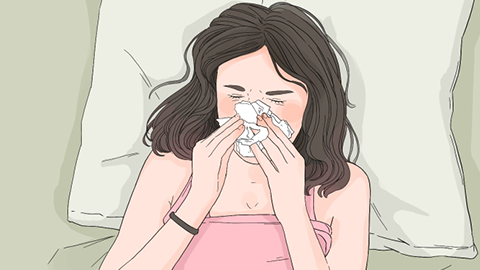
Patulous eustachian tube may result from inflammation or infection in some individuals, while in others it stems from improper daily habits—such as prolonged forceful breathing, excessive swallowing, or chronic nose-blowing. It may also occur secondary to atrophic rhinitis or following surgeries involving the nasal cavity or turbinates. During recovery, patients should avoid sniffing through the nose and actively prevent common colds.
Engaging in appropriate physical activity according to one’s physical condition—such as walking or slow jogging—is advisable. Additionally, attention should be paid to dietary adjustments: improving unhealthy eating habits and incorporating more light, bland foods. We hope this information proves helpful to you.


