


What Causes Restless Sleep in Newborns?

After birth, newborns typically spend most of their time sleeping. High-quality sleep not only supports physical development but also promotes cognitive development. However, some babies may cry during sleep or startle easily and wake up frequently. What causes restless sleep in newborns?
What Causes Restless Sleep in Newborns?
If a baby is underfed, chilled, swallows excessive air during feeding, is fed too quickly, or cries after feeding, abdominal distension—or even colic—may occur, leading to disrupted sleep. Gentle clockwise abdominal massage or, under medical guidance, oral probiotics may help alleviate these symptoms. Calcium deficiency can also cause restlessness during sleep, frequent startling, or even muscle twitching; vitamin D supplementation, as directed by a physician, may be recommended. Additionally, environmental factors such as excessively high or low room temperature, or failure to promptly change the baby’s diaper, may contribute to unsettled sleep or crying.

Restless sleep is a common phenomenon among newborns and may stem from multiple factors—including underlying medical conditions, suboptimal sleep environments, hunger, or the need to urinate or defecate—all of which can adversely affect sleep quality.
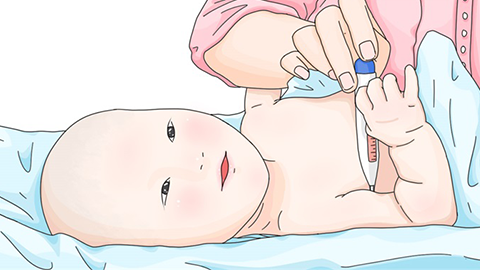
When a newborn exhibits poor sleep quality, caregivers should implement appropriate interventions: provide timely comfort, feed on demand, change diapers promptly, and optimize the sleep environment. If symptoms are severe or persistent, prompt medical evaluation and treatment at a healthcare facility are essential. We hope this information is helpful to you.


