


What does “HBS” mean in medicine?

In daily life, some individuals develop diseases—such as hepatitis B—that pose serious threats to their health. Therefore, timely medical evaluation and relevant diagnostic testing at a hospital are essential. What does “HBs” mean in medical terminology?
What does “HBs” mean in medical terminology?
In medicine, “HBs” refers to the hepatitis B surface antibody (anti-HBs). Also commonly termed the “surface antibody,” anti-HBs is produced by the body’s immune system upon exposure to the hepatitis B virus (HBV). When HBV enters the human body, it triggers an immune response, prompting B lymphocytes to secrete a specific immunoglobulin G (IgG) antibody—the surface antibody—which binds to the hepatitis B surface antigen (HBsAg) and neutralizes the virus, thereby protecting the individual from HBV infection. Hence, this antibody is known as the surface antibody—or, more precisely, the protective antibody.
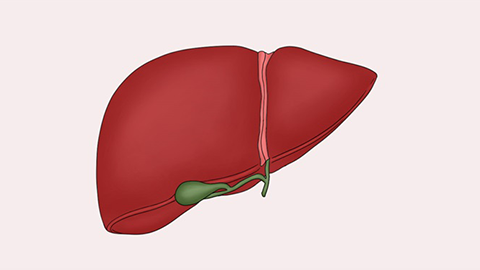
The presence of anti-HBs indicates that the individual has developed immunity against hepatitis B. Anti-HBs can be generated either following natural infection or after receiving the hepatitis B vaccine; thus, a positive anti-HBs test result signifies the successful development of protective immunity against hepatitis B.

A positive hepatitis B surface antibody (anti-HBs) result is a favorable finding—not indicative of disease—and therefore requires no treatment. This antibody specifically targets the hepatitis B surface antigen (HBsAg) and primarily arises from successful immunization with the hepatitis B vaccine. Following vaccination, the body produces effective protective antibodies—namely, anti-HBs—which efficiently neutralize HBV particles entering the body. Among the five standard hepatitis B serological markers (“hepatitis B panel”), anti-HBs is the sole protective antibody. We hope this explanation proves helpful.


