


Why does infant formula produce foam?

What happens if there are excessive bubbles when preparing infant formula? It is normal for bubbles to appear during formula preparation. Infant formula contains abundant proteins and minerals; however, excessively high water temperature or vigorous shaking can generate excessive foam.
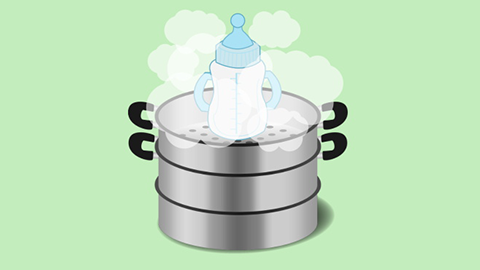
Why does infant formula produce foam?
The optimal method for preparing formula is to use water at 40–50°C. First, pour half of the required water into a sterilized bottle, add the prescribed amount of formula powder, then add the remaining water. Gently swirl the bottle clockwise or counterclockwise—do not shake vigorously.
Avoid vigorous shaking in either direction, as this may produce excessive foam. After swirling, allow the bottle to stand for a short while to let the foam dissipate. Before feeding, test the milk temperature by dripping a few drops onto the inner surface of your forearm—it should feel comfortably warm, neither too cold nor too hot—before feeding your baby.
In fact, high-quality formula without added defoaming agents commonly produces foam during mixing, depending on the stirring technique. If the prepared formula is left undisturbed for a short period, the foam will naturally dissipate.
When preparing formula, carefully control the water temperature—ideally around 50°C. Additionally, use proper mixing techniques: stir gently in one direction only. When feeding your baby, avoid excessive shaking of the bottle, and always ensure the bottle is thoroughly cleaned before preparing formula.

There are many possible causes of foam formation in formula. For precise identification of the underlying cause, consult a qualified healthcare professional.


