


Can Osgood-Schlatter disease affect height growth?

Osgood-Schlatter disease generally does not affect height growth.
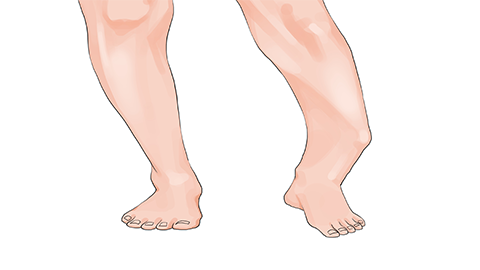
Osgood-Schlatter disease typically does not impair a child’s height development. Children will continue to grow normally when they reach the appropriate developmental stage. Parents need not worry excessively. As children reach adulthood, the condition usually resolves spontaneously, and activity-related pain gradually subsides. Although the disease often resolves after skeletal maturity, appropriate treatment remains essential. Calcium is a primary factor influencing height. Once children enter their growth phase, parents should implement a well-balanced dietary plan to maximize calcium absorption and utilization.
Osgood-Schlatter disease is an inflammatory condition of the cartilage caused by excessive physical activity during periods of rapid growth and development. Surgical intervention is unnecessary; pain typically resolves once growth and development are complete. While the condition generally does not hinder longitudinal bone growth, it may cause tibial tubercle enlargement, potentially affecting appearance. During active growth phases, adequate rest and reduction of weight-bearing activities are recommended. Heat therapy and massage may be used to improve local blood circulation.
Vigorous physical activity should be avoided; stair climbing (ascending and descending) should be minimized. When resting, the lower limbs should be elevated appropriately. Therapeutic options include heat application to the tibial tubercle, massage, and topical occlusive treatments. Daily diets should emphasize light, nutritious meals—rich in vegetables, fruits, and calcium-containing foods.


