


What causes a small lump on the surface of the testicle?

Men must promptly monitor the condition of their testicles. If any abnormalities are detected—such as the sudden appearance of a small, hard nodule within the testicle—it is essential to seek timely diagnosis and treatment. Such symptoms may indicate underlying urological conditions and should not be ignored.
What Causes a Small Nodule on the Surface of the Testicle?
1. Orchitis
A small nodule on the testicular surface may result from orchitis (inflammation of the testicle). In such cases, the overlying skin may appear rough or uneven, and firm nodules may develop. During the acute phase, swelling and pain are common; in the chronic phase, pain may subside, but firm, palpable nodules often persist. These nodules typically represent fibrotic scar tissue formed during healing after inflammation. A scrotal ultrasound is recommended to confirm the diagnosis.
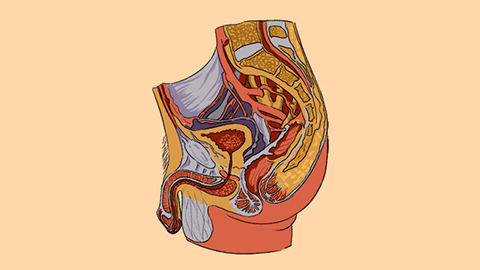
2. Testicular Tumor
A small nodule on the testicle may also signal a testicular tumor. Such tumors often present as firm, discrete nodules within the testis. As the disease progresses, the lesion may enlarge and eventually involve the entire testicle, leading to increased testicular size, hardness, and a sensation of heaviness or dull ache. Further evaluation—including testicular CT imaging and tumor marker assays (e.g., AFP, β-hCG, LDH)—is necessary for definitive diagnosis.
3. Epididymal Nodule
Epididymal nodules—arising from the head or tail of the epididymis, which lies in close anatomical contact with the testicle—may also be perceived as “small lumps” on the testicular surface. These can occur secondary to epididymitis or epididymal cysts. Because differentiation from testicular lesions can be challenging clinically, scrotal ultrasound is essential for accurate identification and characterization.

The above outlines potential causes of a small nodule on the testicular surface. Any such finding warrants prompt medical attention, as it represents an abnormality requiring timely diagnosis and appropriate management—early intervention generally yields excellent outcomes. In daily life, maintain a balanced diet rich in nutrients and low in irritants; avoid raw, cold, or spicy foods. We hope this information is helpful to you.


