


Why do joints hurt after drinking alcohol?

Due to social and occupational demands, many people frequently attend business dinners or social gatherings involving alcohol consumption. Following such drinking episodes, some individuals experience joint pain, which can significantly impair their daily life and work performance. So, why does joint pain occur after drinking alcohol?
Why Does Joint Pain Occur After Drinking Alcohol?
There are two primary reasons for joint pain following alcohol consumption. First, alcohol impairs balance and gait stability—especially on uneven surfaces—altering normal weight-bearing patterns across the knee joint. This places abnormal stress on surrounding soft tissues—including muscles, ligaments, fascia, and tendons—potentially causing microtrauma, localized inflammatory changes, hyperemia, and swelling, all of which contribute to noticeable joint pain.
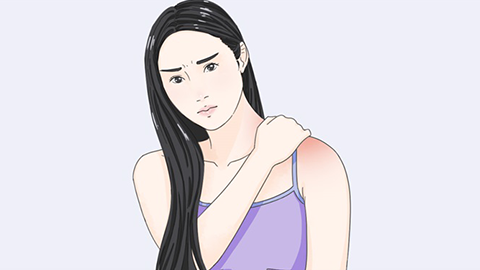
After drinking, individuals often feel unusually warm—particularly during the early part of the night—followed by a drop in body temperature in the latter half of the night, potentially triggering a cold or upper respiratory infection. Such infections may exacerbate underlying joint inflammation, especially in patients with prior knee injuries, chronic joint conditions, patellar chondromalacia, or osteoarthritis. This leads to reduced local blood circulation, accumulation of inflammatory mediators, and increasing buildup of metabolic waste products—resulting in pronounced joint pain.

Alcohol in wine accelerates purine metabolism, leading to excessive uric acid production. Moreover, alcohol inflicts substantial damage to the liver, impairing its function and diminishing its capacity to suppress uric acid synthesis. Additionally, alcohol metabolism generates lactic acid, which inhibits renal excretion of uric acid. We hope this explanation proves helpful!


