


What Should You Do If Your Baby Has Diarrhea During the Postpartum Confinement Period?

During the postpartum confinement period (the “sitting month”), a newborn’s bodily systems—especially the digestive system—are still immature and underdeveloped. Whether the baby is fed breast milk or formula, caregivers must exercise great caution. Even minor missteps can lead to diarrhea. So, what should parents do if their newborn develops diarrhea during this period?
How to Manage Newborn Diarrhea During the Postpartum Confinement Period
Diarrhea in newborns may stem from impaired gastrointestinal motility. Therefore, caregivers should take it seriously: feed the baby frequently but in small amounts, allowing the infant’s digestive system time to gradually adapt. As the baby’s digestive function improves, diarrhea will typically resolve spontaneously. If the baby experiences frequent bowel movements in a single day, dehydration becomes a significant concern. In such cases, increase the frequency of oral fluid administration to prevent dehydration. Medication may also be prescribed for treatment; ensure the medication is thoroughly mixed so that even small doses provide therapeutic benefit.
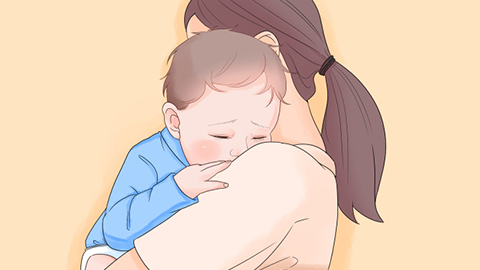
If the baby is exclusively breastfed and develops diarrhea, the mother should first review her own diet for potential triggers. Consuming unhealthy or inappropriate foods can affect the composition of breast milk, thereby indirectly causing or worsening the baby’s diarrhea. Foods such as spinach and ice cream are best avoided by nursing mothers to prevent exacerbating the infant’s symptoms.

Monitor the baby’s temperature for signs of fever, observe stool characteristics (e.g., consistency, color, odor) and frequency, and assess the infant’s overall alertness and activity level. Seek immediate medical attention if the baby develops fever, increased stool frequency, signs of dehydration (e.g., decreased urine output, dry mouth, sunken fontanelle), or lethargy. We hope this information proves helpful!


