


What are the adverse reactions after taking the sugar-coated polio vaccine pill?

Oral polio vaccine (OPV) tablets—commonly known as “sugar pills”—are a live attenuated oral vaccine against poliomyelitis. In China, the currently used sugar pills contain live attenuated poliovirus strains, typically comprising trivalent formulations of types I, II, and III.
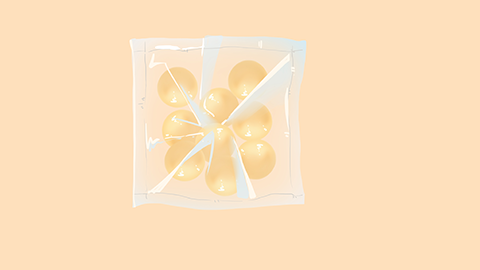
What are the adverse reactions following sugar pill administration?
After receiving the sugar pill, the following adverse reactions may occur: 1. Allergic reaction: A hypersensitivity response may occur post-vaccination; this is considered a relatively serious side effect. It is usually triggered by vaccine antigens or other components such as stabilizers, preservatives, or antibiotics. 2. Vomiting: Vomiting may occur after administration. Appropriate nursing care is essential—for instance, gently patting the infant’s back to alleviate vomiting, elevating the head of the crib by 30 degrees, and positioning the infant on their side to help reduce gastroesophageal reflux. 3. Diarrhea: Mild diarrhea may also occur following vaccination. Typically, no specific treatment is required, and symptoms usually resolve spontaneously within 2–3 days.
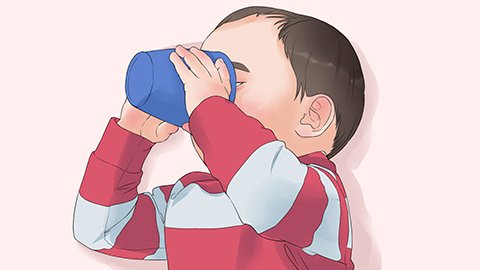
When administering the sugar pill orally to infants, the water temperature must not exceed 37°C. Additionally, hot beverages should be avoided for at least 30 minutes before and after vaccination, as high temperatures may inactivate the live virus and compromise vaccine efficacy. The sugar pill must never be placed whole into the infant’s mouth for swallowing, as this poses a risk of aspiration into the trachea and potential airway obstruction. Instead, the tablet should be crushed and dissolved in cool boiled water prior to administration.
The above outlines the possible adverse reactions following sugar pill administration. We hope this information is helpful to you.


