


What Is the Difference Between Brain Death and a Vegetative State?
Apr 20, 2022
Source: Cainiu Health

Dr. Lv Zhiqin
Introduction
What Is the Difference Between Brain Death and a Vegetative State?
Although both brain death and a vegetative state involve unconsciousness, there are significant differences between them. A patient in a vegetative state has lost cognitive function but retains basic vital signs—such as heartbeat and pulse—as well as normal body temperature. With prolonged treatment, recovery of consciousness remains possible. In contrast, a brain-dead individual cannot breathe spontaneously and has no possibility of regaining consciousness.
Medically, there are two patient conditions that appear similar—both involve a state of unconsciousness: brain death and the vegetative state. However, patients in a vegetative state differ fundamentally from those declared brain dead. So, what distinguishes brain death from the vegetative state? Let’s explore this together.
What Is the Difference Between Brain Death and the Vegetative State?
Although both brain death and the vegetative state involve profound unresponsiveness, they differ significantly. Patients in a vegetative state have lost higher cognitive functions but retain basic, reflexive neural activity—such as coughing, sneezing, yawning, heartbeat, and pulse—indicating preserved vital physiological functions. Their cerebral cortex is in a comatose state devoid of self-awareness or conscious thought; however, the hypothalamus and brainstem continue to function normally. These patients maintain intact cardiopulmonary function and can breathe spontaneously. They may open their eyes spontaneously and track objects visually, perform chewing and swallowing movements, exhibit withdrawal responses to painful stimuli, and regulate body temperature normally. With prolonged medical treatment and nursing care, recovery of consciousness remains possible.

In contrast, patients diagnosed with brain death have suffered irreversible, complete loss of all brain functions—including the cerebrum, cerebellum, and brainstem. They remain in a deep, unarousable coma, with all brainstem reflexes absent. They cannot breathe spontaneously due to the absence of central respiratory drive and require mechanical ventilation to sustain respiration. Without life-support equipment, cardiac and respiratory arrest occurs immediately, and recovery is impossible.
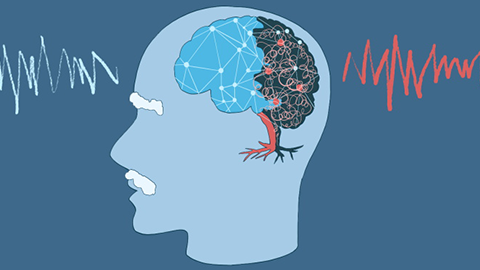
The above outlines the key differences between brain death and the vegetative state. The most fundamental distinction lies in reversibility: brain death is irreversible and signifies the permanent cessation of all brain activity—and thus, legally and clinically, the end of life. In contrast, the vegetative state, while severe, may be reversible; with persistent, appropriate medical intervention, some patients may regain consciousness. We hope this explanation proves helpful to you.






