


What does hepatitis B virus mean?

Hepatitis is the most common type of liver disease and can cause damage to hepatocytes. Currently, it remains poorly controlled and may even lead to complications such as hepatic ascites. Then, what exactly is the hepatitis B virus?
What Is the Hepatitis B Virus?
The hepatitis B virus (HBV) is a DNA virus belonging to the family *Hepadnaviridae*. It consists primarily of double-stranded DNA. In infected individuals’ serum, HBV exists in three distinct morphological forms: (1) small spherical particles, (2) tubular particles, and (3) large spherical (Dane) particles. HBV exhibits remarkable environmental stability—it is resistant to heat, cold, desiccation, ultraviolet radiation, and commonly used chemical disinfectants. It remains viable even after freezing at –20°C. At temperatures between 30°C and 37°C, HBV can survive for over six months; at 37°C specifically, it remains infectious for up to seven days.
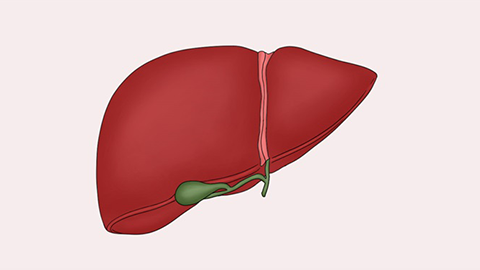
Hepatitis B is widely distributed and endemic to varying degrees worldwide. Approximately 60% of the global population has been infected with HBV, and about 10% test positive for hepatitis B surface antigen (HBsAg). HBV predominantly affects children and young adults and is the predominant form of viral hepatitis in China. The disease course of hepatitis B frequently progresses to chronic hepatitis, cirrhosis, and hepatocellular carcinoma. As such, it represents a major threat to human health and constitutes a serious public health concern. The World Health Organization (WHO) classifies hepatitis B as a communicable disease requiring intensified control measures and eventual eradication. Vaccination against hepatitis B is one of the most effective preventive and control strategies available.
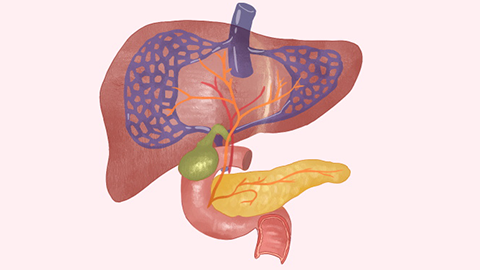
HBV is highly contagious; however, once diagnosed, patients should use separate utensils and ensure thorough cleaning to minimize transmission risk. We hope this information is helpful to you.


