


What Is the Fastest Way to Reduce Swelling After a Wasp Sting?

Hornets are widely distributed insects capable of rapid flight. Female hornets possess a powerful, elongated stinger and deliver venomous stings. So, what is the fastest way to reduce swelling after a hornet sting?
How to Rapidly Reduce Swelling After a Hornet Sting
To achieve the fastest possible reduction in swelling, appropriate first-aid measures must be implemented promptly. First, examine the sting site to determine whether the hornet’s stinger remains embedded in the skin; if so, removal should be performed carefully. Unlike bee venom—which is acidic—hornet venom is predominantly alkaline; therefore, applying acidic substances such as household vinegar topically may help neutralize the venom and mitigate local toxic reactions. Additionally, immediate local cooling (e.g., with cold compresses or ice packs) is highly effective: lowering the temperature at the affected site helps alleviate redness, swelling, pain, and itching.
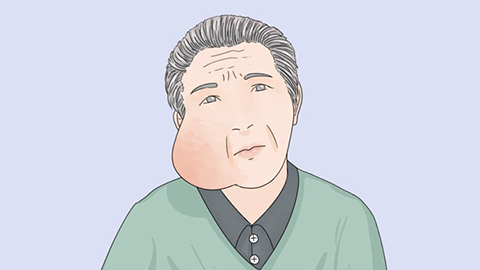
Topical anti-inflammatory and anti-edema ointments—including corticosteroid creams (e.g., artemisinin-based preparations)—may also be applied locally. Over-the-counter Jide Sheng snakebite tablets can be crushed and mixed with cold water to form a paste for topical application, which likewise aids in reducing swelling. Furthermore, oral antihistamines—such as chlorhexidine (note: likely a mistranslation; chlorhexidine is a topical antiseptic, not an oral antihistamine; intended drugs may include cetirizine or ebastine), cetirizine, or ebastine—can be administered immediately. Analgesic, antipyretic, and anti-inflammatory agents—including fevofenac (likely a misspelling of “flurbiprofen”), diclofenac sodium, and acetaminophen—may also be used as indicated.

Following a hornet sting, immediate, sharp pain occurs, often accompanied by a distinct burning sensation and intense pruritus. Localized erythema and swelling develop rapidly, with the affected skin area feeling warmer than surrounding normal skin. In severe cases, blisters or large bullae may progressively form, potentially leading to local tissue necrosis. We hope this information proves helpful!


