


What Causes Bipolar Disorder?

Bipolar disorder is a relatively uncommon psychiatric condition. After its onset, some individuals experience depressive episodes alongside periods of abnormally elevated mood. What causes bipolar disorder?
What Causes Bipolar Disorder?
The etiology of bipolar disorder may involve genetic, environmental, and psychosocial factors. As a psychiatric illness, it is closely associated with neuroendocrine dysfunction and genetic predisposition. Individuals diagnosed with bipolar disorder should seek treatment at a reputable medical institution. This condition can significantly impair the patient’s daily functioning and overall quality of life.

Symptoms of bipolar disorder are typically prominent. Following disease onset, patients often exhibit markedly elevated mood and may experience manic episodes—characterized by psychomotor agitation. During heightened emotional states, patients may become irritable over trivial matters and, in severe cases, act impulsively. Speech becomes rapid, louder than usual, and pressured. Some patients may also develop delusions—for instance, believing themselves exceptionally talented or of noble lineage—and, in extreme cases, experience hallucinations.
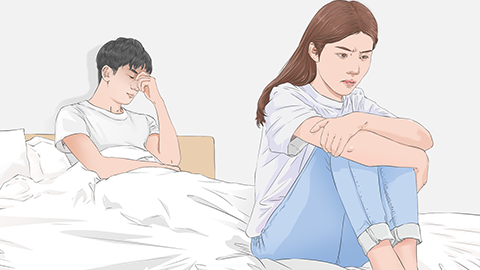
Without timely intervention, bipolar disorder tends to worsen progressively and may evolve into major depressive disorder. In some cases, patients may attempt suicide due to the illness. Therefore, family members and caregivers should engage the patient in regular, supportive conversations. Additionally, patients should maintain a healthy diet rich in fresh vegetables and fruits. We hope this information proves helpful.


