


What Should You Do If a Newborn Has Nasal Congestion and Coughing?

Newborns have very weak immune resistance. If they accidentally catch a chill, they may develop nasal congestion and coughing. Prompt treatment is essential when these symptoms appear to prevent complications and secondary infections. What should parents do when a newborn experiences nasal congestion and coughing?
What to Do for Nasal Congestion and Cough in Newborns
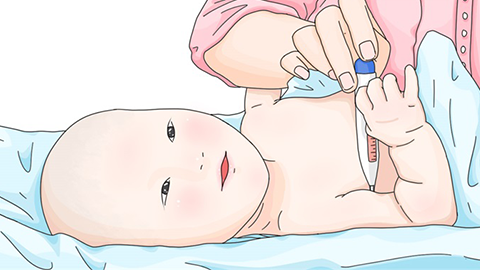
When a baby catches a cold, mild cases typically involve low-grade fever with only mild systemic and respiratory symptoms. The illness usually lasts about 1–2 days and resolves spontaneously. Parents need not be overly concerned—simply monitor the baby’s temperature and general well-being closely. It is normal for cold symptoms to persist for 2–5 days. However, it is advisable to consult a pediatrician at the hospital, who can prescribe appropriate pediatric cold medications (e.g., cold granules) based on the infant’s specific condition. Strict adherence to the physician’s instructions—including correct dosage and timing—is essential.

Encourage the baby to drink plenty of water and vitamin C–rich fruit juices. Offer light, easily digestible foods and maintain an appropriate ambient temperature. Extra care is needed because newborns are too young to swallow or expel phlegm effectively. Seek immediate medical attention if the baby develops persistent high fever accompanied by chills, headache, or even convulsions.
In daily life, caregivers should adjust the baby’s clothing according to weather changes. During hot summer months, avoid directing air-conditioning airflow directly onto the infant, as this may cause chilling and subsequent cold symptoms. Additionally, ensure the baby drinks sufficient warm water to support metabolism and overall health. We hope this information proves helpful.


