


What Causes Massive Gastrointestinal Bleeding?

Optimal digestive system health enhances appetite; however, when digestive disorders occur, they can severely impair normal food intake. What causes massive gastrointestinal bleeding?
What Causes Massive Gastrointestinal Bleeding?
There are five most common causes of gastrointestinal bleeding: 1. Massive bleeding from gastric and duodenal ulcers; 2. Profuse esophageal and gastric variceal bleeding secondary to portal hypertension in liver cirrhosis; 3. Massive bleeding from stress ulcers or acute erosive hemorrhagic gastritis; 4. Massive bleeding from gastric cancer; 5. Bleeding resulting from chronic localized hepatic infection, hepatic tumors, or hepatic trauma. Gastrointestinal bleeding refers to hemorrhage anywhere along the digestive tract—from the esophagus to the anus.
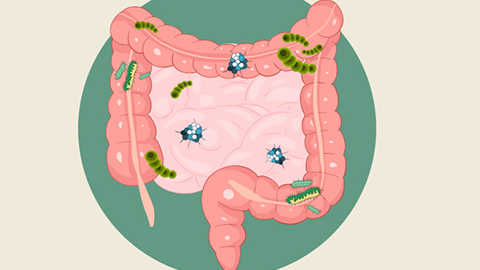
Gastrointestinal bleeding is classified anatomically as either upper or lower gastrointestinal bleeding. The upper gastrointestinal tract includes the esophagus, stomach, duodenum, proximal jejunum, and biliary tract; all other segments constitute the lower gastrointestinal tract. The five causes listed above account for the majority of upper gastrointestinal bleeding cases. In contrast, lower gastrointestinal bleeding accounts for only approximately 15% of all gastrointestinal bleeding cases, and massive lower gastrointestinal bleeding is even rarer.

Gastrointestinal bleeding can be treated with oral acid-suppressing medications. In severe cases, interventional therapy may be required. Episodes of gastrointestinal bleeding may result from long-term consumption of fatty foods or alcohol, or from use of irritating medications. During an acute episode, patients may experience abdominal pain, thirst, altered mental status, and even hypotension. We hope this information proves helpful to you.


