


Does eating peanuts affect high uric acid levels?

In daily life, some individuals with hyperuricemia enjoy eating peanuts; however, they may be uncertain whether consuming peanuts has any adverse effects on their health. So, does eating peanuts affect those with elevated uric acid levels?
Does eating peanuts affect individuals with hyperuricemia?
Patients with hyperuricemia are generally advised to avoid or strictly limit peanut consumption. Peanuts are rich in fats—including unsaturated fatty acids—as well as vitamins and trace elements, all of which confer certain health benefits. However, due to their high fat content, excessive peanut intake may exacerbate lipid metabolism abnormalities in patients with gout or hyperuricemia—conditions often associated with metabolic disturbances such as elevated blood glucose and dyslipidemia, and frequently co-occurring with metabolic syndrome. Therefore, these patients should consume peanuts sparingly or avoid them altogether.
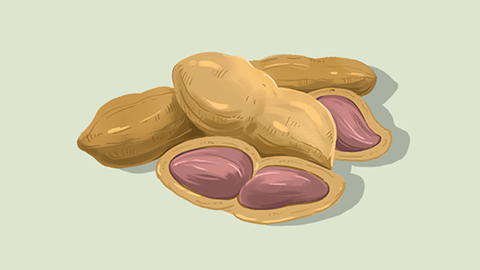
Regarding preparation methods, fried peanuts should be avoided. Boiled or roasted peanuts are preferable alternatives, as they help mitigate fat-related metabolic concerns. Additionally, individuals with elevated serum uric acid levels should moderately restrict intake of peanuts and other high-fat nuts. A balanced and varied diet is recommended: avoid organ meats, beer, and seafood. Hyperuricemia can often be effectively managed through dietary control, regular physical activity, and increased water intake.

If you experience any physical discomfort, promptly consult a healthcare provider for evaluation and appropriate management. We hope this information is helpful to you!


