


White discharge from the urethral opening

Some individuals notice a persistent discharge of white fluid from the urethral opening after urination. Is this white discharge from the urethra normal?
White Discharge from the Urethra
White fluid emerging from the urethra may originate from prostatic secretions or the urethral glands. A small amount of clear or whitish fluid—especially following urethral compression, at the end of urination, or during straining for defecation—is relatively common and typically does not indicate disease. It is not, in itself, diagnostic of infection. Simple clinical evaluation can help confirm the diagnosis. If the only symptom is white discharge without accompanying urinary difficulties (e.g., dysuria, urinary hesitancy, or burning sensation), the discharge is likely attributable to normal glandular or prostatic secretions and generally reflects no significant abnormality.
Patients should avoid alcohol consumption and limit intake of spicy or irritating foods, and refrain from prolonged sitting. Additionally, increasing daily fluid intake and frequency of urination—while avoiding excessive straining during voiding—may help reduce glandular secretion. If urinalysis reveals markedly elevated white blood cell counts, an underlying infection may be present. In such cases, antibiotic therapy is warranted to alleviate symptoms. Patients are advised to seek prompt medical consultation so that a qualified physician can formulate an appropriate treatment plan.
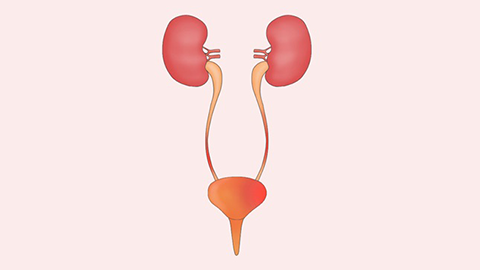
Common causes include bacterial urethritis, mycoplasmal urethritis, and chlamydial urethritis—often accompanied by symptoms such as dysuria, urinary urgency, and urinary frequency. For bacterial urethritis, oral antibiotics such as amoxicillin, cephalosporins, or fluoroquinolones (e.g., ofloxacin) may be prescribed. In more severe cases, intravenous antibiotic therapy may be required, supplemented with topical antiseptic agents such as Jie’eryin solution or potassium permanganate solution. We hope this information proves helpful!


