


Can liver disease cause yellowing of the skin?

Patients with liver disease often experience elevated bilirubin levels when the liver is damaged. Can liver disease cause yellowing of the skin?
Can liver disease cause yellowing of the skin?
Most liver diseases can lead to jaundice—yellow discoloration of the skin. In many cases, patients with hepatobiliary disorders develop yellowing of the sclera (whites of the eyes) or skin due to increased serum bilirubin concentration—a clinical condition known as jaundice. Normally, aged red blood cells are naturally broken down and release hemoglobin, which is subsequently metabolized in the body into unconjugated (indirect) bilirubin. This unconjugated bilirubin enters the liver via the bloodstream, where hepatocytes convert it into conjugated (direct) bilirubin. The conjugated bilirubin is then excreted into the intestines and eliminated from the body through feces.
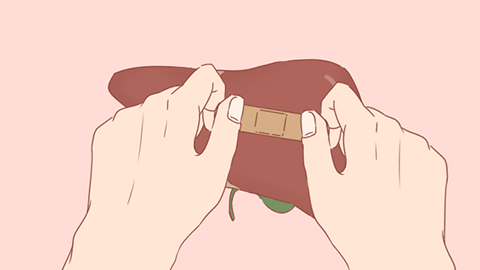
When liver disease occurs, excessive bilirubin may reflux back into or accumulate within the bloodstream, thereby elevating serum bilirubin levels. Liver disease can indeed cause yellow discoloration of the skin—i.e., jaundice—which also manifests as yellowing of the skin and sclera. Hepatobiliary dysfunction—whether due to primary liver disease, biliary tract disorders, or other related conditions—can result in elevated total, direct, or indirect bilirubin levels. Diseases predominantly characterized by elevated direct bilirubin are especially likely to produce jaundice, accompanied by darkened urine. Urinalysis may further reveal increased urinary bilirubin, suggesting an underlying hepatobiliary disorder.
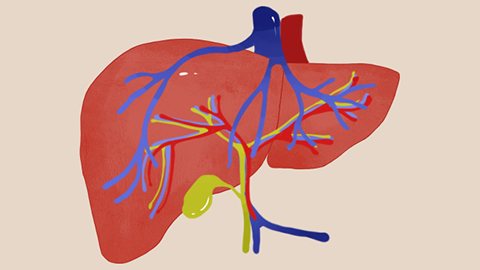
When serum bilirubin concentrations rise above a certain threshold, the sclera and skin (including mucous membranes) become visibly yellow—indicating the presence of jaundice. Therefore, if you notice yellowing of the skin or urine, do not dismiss it lightly. Prompt evaluation and treatment at a reputable medical facility are essential to identify the underlying cause of jaundice before initiating appropriate therapy. We hope this article has been helpful. Wishing you a joyful life and good health!


